


If you’re craving a quick mountain escape without committing to a full weekend away, the Broadmoor Manitou & Pikes Peak Cog Railway makes for an unforgettable day trip from Denver. Located in Manitou Springs — about 78 miles from the Mile High City or roughly a 90-minute drive — this historic railway has been carrying passengers to the top of Pikes Peak since 1891. Today, it holds the title of the world’s highest and longest cog railway, climbing to the 14,115-foot summit of one of Colorado’s most iconic fourteeners.
Whether you’re in it for the sweeping alpine views, the engineering marvel of the train itself, or the bragging rights of standing atop “America’s Mountain,” this journey delivers. Here’s everything you need to know to plan your visit, including what to expect on board, when to go and how to make the most of your time at the summit.
What Is the Broadmoor Manitou and Pikes Peak Cog Railway?
The Pikes Peak Cog Railway is the world’s highest cog railroad and one of Colorado’s most iconic mountain experiences — but its story stretches far beyond the tracks.
Long before explorers arrived, the Tabeguache Ute people called the mountain Tava, meaning “Sun.” In 1806, explorer Zebulon Pike described the peak in his journals, though he never reached the summit. The mountain later inspired Katharine Lee Bates, who penned “America the Beautiful” after visiting in 1893.
The railway was born from determination — and a grueling mule ride. In the late 1880s, inventor Zalman Simmons climbed the mountain and decided there had to be an easier way up. He founded the railway in 1889, and by 1891, passengers were reaching the 14,115-foot summit by train.
In 1926, the railway was purchased by Spencer Penrose, founder of The Broadmoor resort in Colorado Springs. Penrose understood that the Cog enhanced the region’s appeal, giving resort guests and travelers alike a seamless way to experience Pikes Peak. The Broadmoor still owns and operates the railway today, preserving it as both a historic landmark and a cornerstone of Colorado tourism.
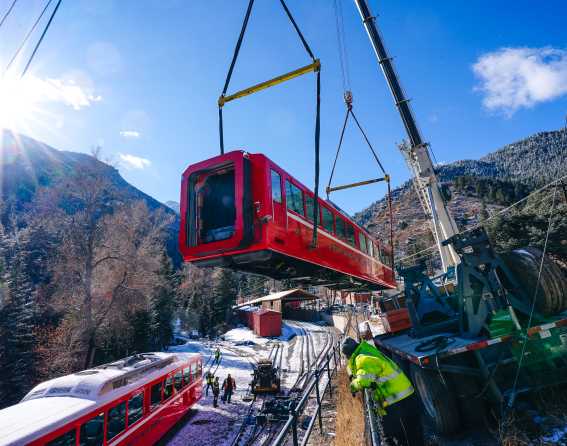
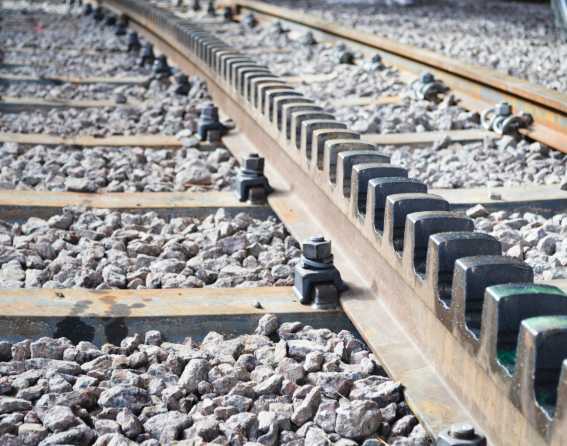
After 126 years of operation, the Cog closed in 2018 for a $100 million renovation. Crews replaced all nine miles of track, introduced new Swiss-built trains, upgraded engines and modernized the cog system. The railway proudly reopened in 2021, blending state-of-the-art engineering with more than a century of mountain heritage.
What to Expect on the Train Ride
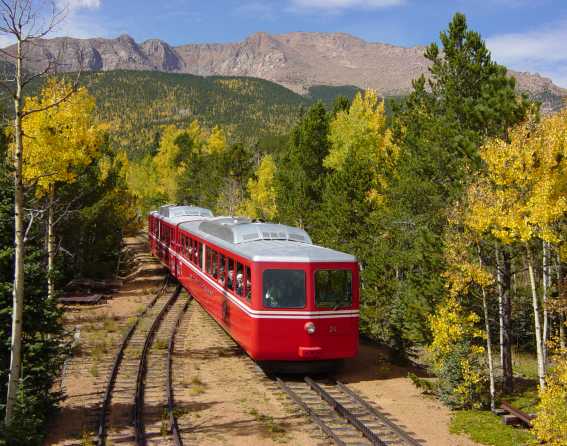
Ready to hop aboard? Your journey begins at the modern depot in Manitou Springs, where the train eases out of town and starts its steady climb — nearly 7,800 feet in elevation gain — toward the top of Pikes Peak. Almost immediately, the scenery shifts. Red rock canyons give way to forests of aspen, Colorado blue spruce and ancient bristlecone pine, some of the oldest living organisms on Earth.
The rhythmic click of the cog track accompanies views of stacked boulder formations, a tumbling waterfall and open meadows in Deer Park. Keep your eyes peeled for elk, bighorn sheep, yellow-bellied marmots and even the occasional bear, while conductors share stories of history and mountain lore.
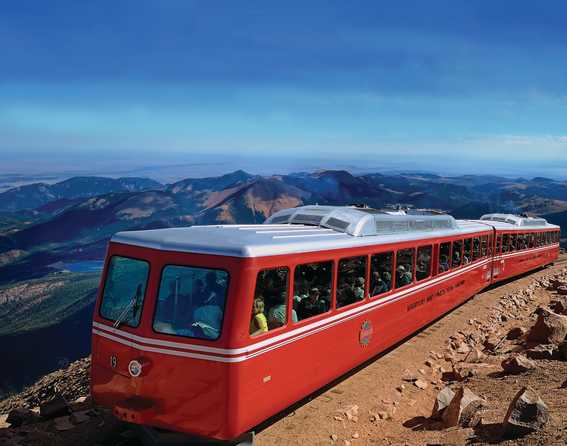
At the summit, step into the sustainable Pikes Peak Summit Visitor Center, where interactive exhibits bring the mountain’s geology and cultural history to life. Outside, 360-degree views stretch across alpine tundra and distant plains. And don’t miss the fresh Pikes Peak doughnuts, made with the same famous recipe that has been passed down since 1916. The full experience takes about three hours, but adventurous travelers can also hike the 13-mile Barr Trail or connect with a local outfitter to bike down the mountain for a different perspective.
Planning and Booking Tips for Travelers
- Book early. A little planning goes a long way when riding the Pikes Peak Cog Railway. Buy your tickets in advance, especially during summer and peak travel seasons — rides frequently sell out. The easiest way to secure your spot (and select your preferred seats) is through the official Cog Railway website.
- Ride in the morning. For the best experience, aim for an a.m. departure. Earlier trips tend to have lighter crowds and clearer skies before afternoon clouds or mountain storms roll in. When choosing seats, many travelers recommend the three-seat (port) side of the train for the most expansive panoramic views, including Inspiration Point and vistas of surrounding ranges on both the ascent and descent.
- Be on time. Arrive no more than 30 minutes before your departure. The parking lot only opens 30 minutes before boarding, and the train departs promptly — no stragglers allowed. Arrive early enough to settle in, grab a snack and get ready for the climb.
Broadmoor Manitou and Pikes Peak Cog Railway FAQ
Here are more essential things to keep in mind as you plan your trip.
Do I need to buy tickets in advance?
Yes. The Pikes Peak Cog Railway frequently sells out — especially in summer and on weekends — so it’s best to purchase tickets ahead of time through the official website. Prices vary by date, time and seat selection (standard versus reserved), with peak departures costing more.
How do I get to the depot?
The train departs from the Cog Railway depot at 515 Ruxton Avenue in Manitou Springs, just outside Colorado Springs. Most visitors drive and park at the depot (parking access opens 30 minutes before departure). Rideshare services and local shuttles are also available.
How high is Pikes Peak, and will altitude impact me?
The summit sits at 14,115 feet, and yes, you may feel it. Shortness of breath, mild headaches or light dizziness are common at high elevations. Drink plenty of water before and during your visit, move slowly at the summit and limit alcohol beforehand. If you’re coming from sea level, consider spending a day or two acclimating in Denver or Colorado Springs before your ride.
How long is the trip?
The full round-trip journey takes about three hours — roughly one hour and 10 minutes up, 40 minutes at the summit, and one hour and 10 minutes back down.
What should I bring?
Dress in layers, including jackets, long pants, hats and gloves. Even if it’s 80 or 90 degrees F at the base of the mountain, temperatures at the summit can be 30 to 40 degrees F cooler and high winds and snow are possible year-round. Bring sunscreen, sunglasses and water.