Your browser is not supported for this experience.
We recommend using Chrome, Firefox, Edge, or Safari.
1 / 1
Observant visitors can spot evidence of Native American and Indigenous influence across Denver and the Front Range. You will see it in public spaces, art galleries, libraries, events and even the Denver International Airport. Everywhere you look, the city reflects the deep cultural heritage of the original Denverites whose descendants continue to preserve and share their traditions. Discover that vibrant spirit in the city and surrounding communities — destinations where unforgettable experiences await and visitors can immerse themselves in the rich, living traditions of Indigenous arts and culture. Here are some places to start.
Table of Contents
The Denver Art Museum's remodeled Indigenous art galleries opened in 2011 with a new focus on artists, their creations and their inspirations. The museum's Indigenous Arts of North America collection includes more than 18,000 art objects representing the heritage of cultures and tribes across the United States and Canada. Recognized as one of the best of its kind in the United States, the collection spans more than 2,000 years of artistic creativity, from prehistoric times to the present. It includes diverse artistic traditions such as Pueblo ceramics, Navajo textiles, Northwest Coast sculpture, basketry, Plains beadwork and oil paintings, representing the full range of Indigenous art styles. Over the past 80 years, these artworks have been featured both nationally and internationally in scholarly publications, innovative exhibitions and educational programs. Keep an eye on the Museum's events calendar: The Native Arts Department sponsors an annual Friendship Powwow and periodically brings Native American artists to the museum to speak about their work.
History Colorado collaborates with museums and institutions across the state to preserve and share Colorado’s diverse heritage. Headquartered in Denver, History Colorado partners with the Ute Indian Museum, listed on the National Register of Historic Places, to highlight Indigenous history and cultural contributions. One of its most impactful exhibitions, The Sand Creek Massacre: The Betrayal That Changed Cheyenne and Arapaho People Forever, was created in close consultation with tribal leaders and representatives from tribes in Oklahoma, Wyoming and Montana. This collaborative approach ensures that visitors learn about the history of the Cheyenne and Arapaho people through their own voices. The museum features striking visual elements, including life-sized Cheyenne and Arapaho tepees.
The award-winning exhibit presents a powerful account of a tragic and defining moment in Colorado history while honoring the resilience of Indigenous people. Through storytelling, artifacts and immersive displays, visitors learn about the injustices endured by Indigenous communities and are encouraged both to reflect on the past and consider the importance of truth, healing and hope for future generations.
Creative Nations Gallery supports Indigenous artists and provides exhibitions, education and opportunities for emerging artists and curators. Located in the heart of Boulder, the gallery is a setting for readings, workshops, and revolving exhibitions curated by Indigenous artists.
Old West icon Buffalo Bill Cody is buried 30 minutes west of Denver on Lookout Mountain in Golden. The Buffalo Bill Museum & Grave takes visitors through Bill's dynamic life — including his fascinating relationship with American Indians. Originally a scout during the Indian wars, he later became an advocate for American Indians and was well known for treating them with equality and respect during his years touring with Buffalo Bill's Wild West.
Travel back to a time before the arrival of Christopher Columbus to visit the fascinating culture that created the awesome and mysterious stone structures at the Manitou Cliff Dwellings. The Manitou Cliff Dwellings Museum, located at the foot of Pikes Peak (a 1.5-hour drive from Denver), is a rare treasure, allowing visitors to explore the remarkably preserved ruins of a long-gone civilization. "There are no ‘Do Not Touch' signs," the museum's website proudly proclaims. Visitors are free to touch and even go inside these architectural remnants of an American Indian culture that roamed the Four Corners area of the Southwest from 1200 B.C. to A.D. 1300.
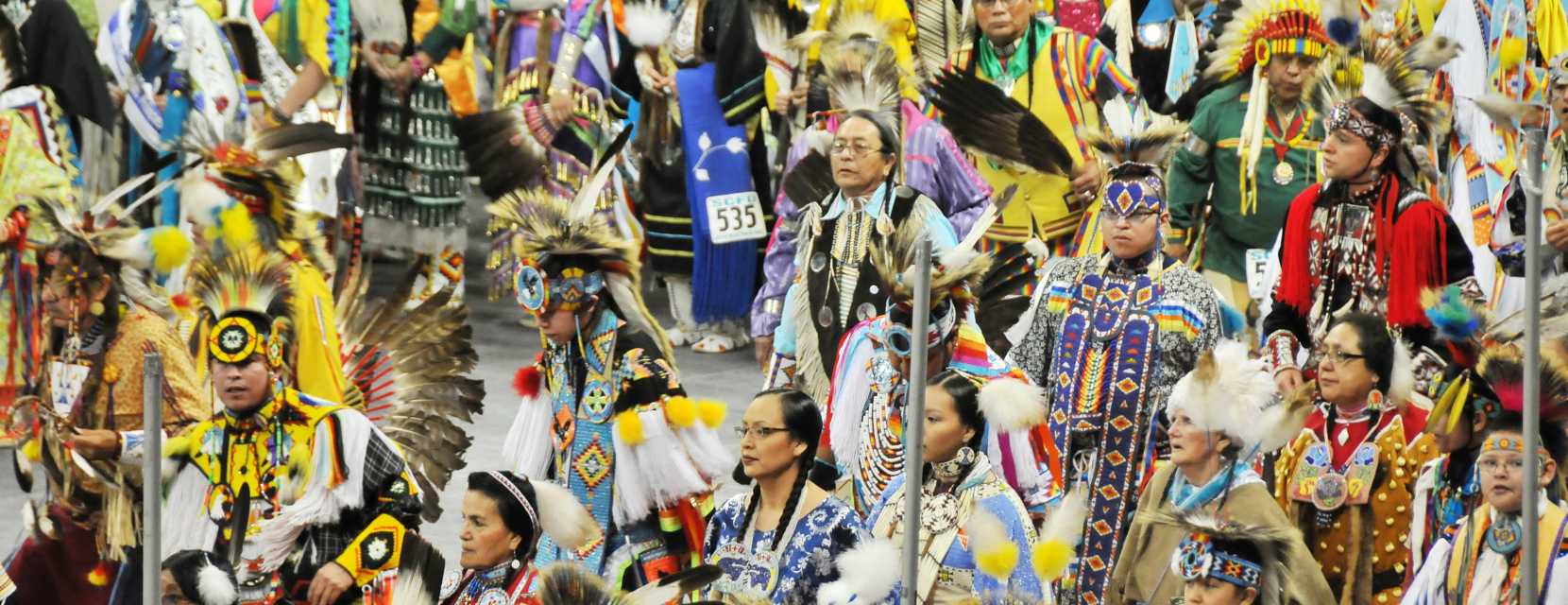
Since 1984, the heritage of American Indians has been celebrated in Denver every March at the Denver March Powwow, one of the largest events of its kind in the country. A welcoming glimpse into Native American culture, more than 1,600 dancers from close to 100 tribes from 38 states and three Canadian provinces come to the three-day event, filling the Denver Coliseum with singing, dancing, storytelling, food and art. There are also more than 170 booths selling a variety of Native American artworks and products. Buy jewelry, blankets, pottery and beadwork from some of the nation's most skilled craftspeople. Try Native American foods like fry bread and Indian tacos or buy an authentic Cheyenne arrow or a Sioux tomahawk.
Nearly 50 years ago, the City of Denver designated Tall Bull Memorial Grounds at Daniels Park — part of the Denver Mountain Park system — as a cultural site for ceremonies, workshops, bison harvest and other traditional activities. Indigenous groups have exclusive right to use the 70-acre site which hosts the annual “Welcome Home” Powwow held over Labor Day Weekend. The event is open to the public and features Tiny Tot and competitive dance categories as well as vendors, bringing together participants and visitors to celebrate Native traditions and community. Daniels Park is also home to hiking trails, Medicine Wheel Garden and a bison herd that supports the recovery and conservation of the species.
Held during Native American Heritage Month, the Colorado State University Powwow is part of a series of events that celebrate Indigenous culture. These gatherings provide opportunities to engage in activities organized by the CSU student chapter of AISES (Advancing Indigenous Science and Engineering Society), a national nonprofit dedicated to increasing the representation of Indigenous people in science, technology, engineering and math. With drumming, dancing, food, research posters and vendors, the event is a vibrant and educational experience for attendees. Free and open to the public, the CSU Powwow has been held for decades and serves as a one-day celebration honoring the culture and traditions of North America’s Indigenous peoples.
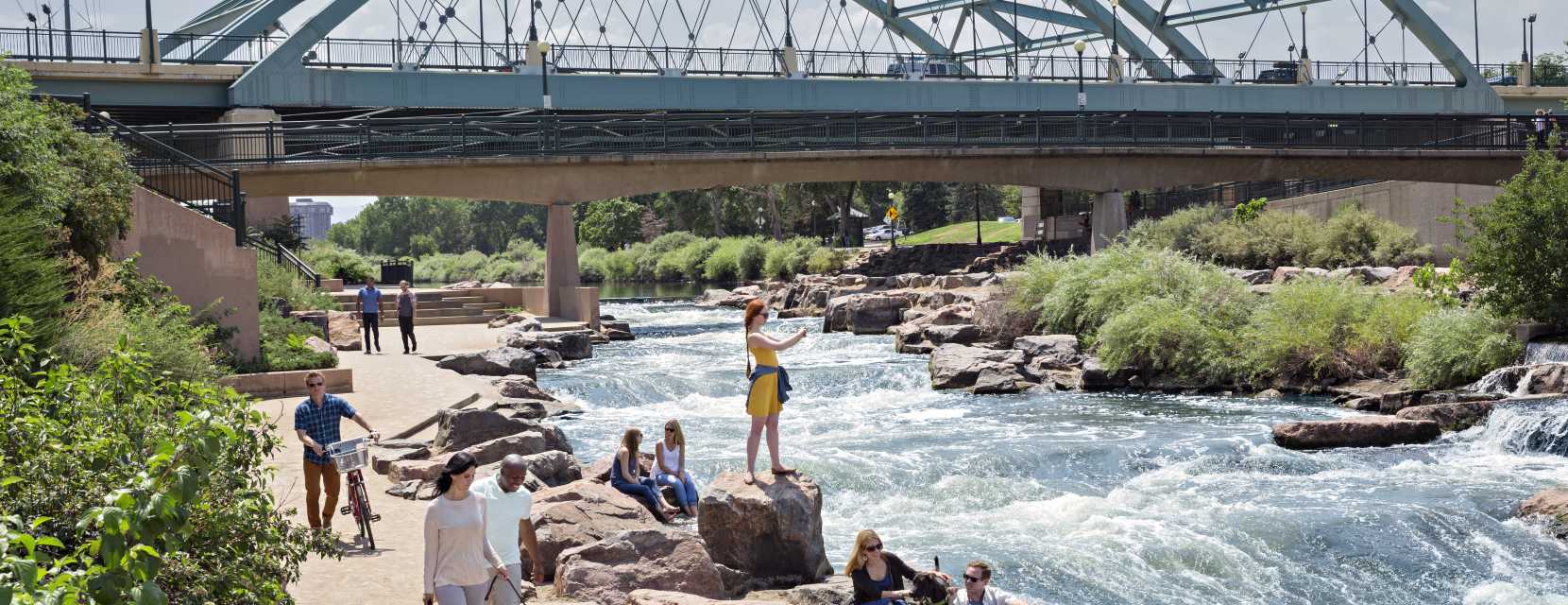
Conveniently sited where Cherry Creek and the South Platte River converge in Denver’s Lower Downtown, urban Confluence Park is a historic and culturally significant location where Cheyenne, Arapaho, Lakota and other Indigenous tribes once gathered to trade and connect. Known as the official birthplace of Denver, the confluence was home to Indigenous communities, including Chief Little Raven and his band of Arapaho, long before Euro-American settlement. The area was called “Fat River” by the Arapaho, a name inspired by the abundance of chokecherries that once thrived along its banks. Today, Confluence Park remains a vibrant destination. It continues to draw outdoor enthusiasts from across the region and serves as a lively gathering place for activities like biking, kayaking, rafting and fishing. Blending recreation with history, the park offers visitors a chance to experience both the natural beauty of the area and its deep Indigenous roots.
At an elevation of 7,500 feet, Colorow Point Park is a less-than-half-acre park named for a Ute Indian chief. The park area is recognized as one of the best overlooks for viewing several major peaks along the Continental Divide and within Rocky Mountain National Park.
Ameohtse’e (Amache/Walking Woman Ochinee) Prowers Memorial Park is the first urban park in Denver to be named after a female Cheyenne leader. A skilled mediator and cattle rancher, Prowers was a source of strength, leadership and inspiration for her people and now has a permanent place in the Colorado Women’s Hall of Fame. The 10-acre park is located at the intersection of Kittredge Street and East Bollinger Drive in northeast Denver and offers a peaceful space for reflection as well as recreational opportunities, all while honoring the enduring legacy of Amache Prowers. The park’s role as a gathering place serves as a reminder of her dedication to family and community.
Dedicated 160 years after Chief Little Raven left Colorado territory, Little Raven Park honors his legacy as a respected leader and peace chief of the Arapaho people. Chief Little Raven was a signatory of both the 1851 Fort Laramie Treaty and the 1867 Medicine Lodge Treaty, reflecting his commitment to diplomacy during a pivotal time in Indigenous and U.S. history. Located in a quiet community, the park offers a peaceful setting with a walking path that connects to the Van Bibber Trail, as well as picnic tables and a playground for younger visitors to enjoy. It serves not only as a place for recreation and relaxation, but also as a meaningful tribute to Chief Little Raven’s enduring legacy, his contributions to his people and his role in history.
Denver has a rich African American heritage, from the jazz greats who played here, to extensive libraries and museums, to modern dance performances…
El Denver hispano es vibrante, lleno de vida y energía. De acuerdo con la oficina de Demografía del Estado de Colorado, 34 % de la…
Hispanic Denver is vibrant, alive, and teeming with energy. According to the Colorado State Demography office, 34 percent of Denver's population…
A longtime part of The Mile High City's multicultural mix, the Latino, Hispanic and Chicano community has made its mark on Denver in countless…
Denver is a city of many colors and cultures with a fascinating history. This diversity is celebrated in a number of museums, attractions and events.
Parte antigua de la mezcla multicultural en la Ciudad de la Milla de Altura, las comunidades latina, hispana y chicana han dejado huella en Denver de…
Find hotels with space to spread out, helpful perks, and easy access to family fun.
These Denver hotels double as art destinations, blending design and creativity into every stay.