A herd of bison on the plains at the Rocky Mountain Arsenal National Wildlife Refuge.

1 / 1

Rocky Mountain Arsenal National Wildlife Refuge

Just 10 minutes northeast of downtown Denver, the refuge is one of the most fascinating ecological sites in the country.

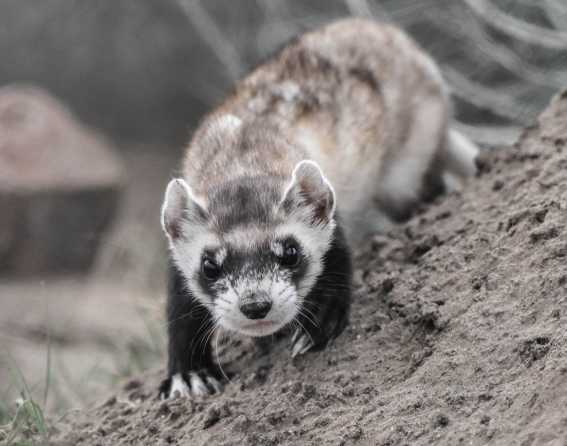
It’s made a remarkable recovery from a toxic piece of land to a fully rehabilitated natural wonder. The 15,000-acre site is home to more than 330 species of wildlife, such as bald eagles, bison and rare black-footed ferrets. It's a great place to go hiking, biking and fishing.

Rocky Mountain Arsenal National Wildlife Refuge is free and open daily from sunrise to sunset in the fall, winter and spring. From May 1 to August 1, the refuge is open from sunrise to 8 p.m. The refuge is closed only on Thanksgiving, Christmas and New Year's Day.

Things to Do

Hiking

The refuge has 20 miles of easy hiking trails that go through grasslands, wetlands and woodlands. Most of the trails are open year-round and are accessible, except for the Rattlesnake Hill Trail and portions of the Prairie and Havana Ponds trails. While most of the trails are short, the Perimeter Trail is the longest at 14.2 miles. Unlike the interior trails, the Perimeter Trail is open for walking leashed pets.

Bicycling 

A terrific way to see the refuge is by biking the 14.2-mile Perimeter Trail and some of the shorter interior trails that allow bikes. Bikes are not permitted in the bison enclosure areas. Need to make some tweaks or a repair? There's a public bike repair with some basic tools and an air pump at the intersection of 64th Avenue and Havana Street.

Birding

More than 280 species of birds have been recorded at the refuge, so it's always a great time for bird-watching year-round.

Wildlife Viewing and Photography

With hundreds of species of animals, there's always something happening at the refuge. Here are some highlights:

Spring: Look (or listen for) migrating songbirds and frolicking bison calves. You'll also see great blue herons and snowy egrets wading around ponds and lakes, plus fawns, prairie dog pups and black-footed ferret kits. 

Summer: While wildflowers are in full bloom, you'll see white pelicans, chorus frogs and painted turtles in the wetlands. 

Fall: Mule and white-tailed deer bucks show off their antlers to does. Sandhill cranes might appear briefly as they migrate south. 

Winter: It's a great time to see the skies dotted with raptors as they move in to feed on rabbits and prairie dogs. Migrating bald eagles from the north might stop by and spend the night in the high cottonwood trees around the lake.

Fishing

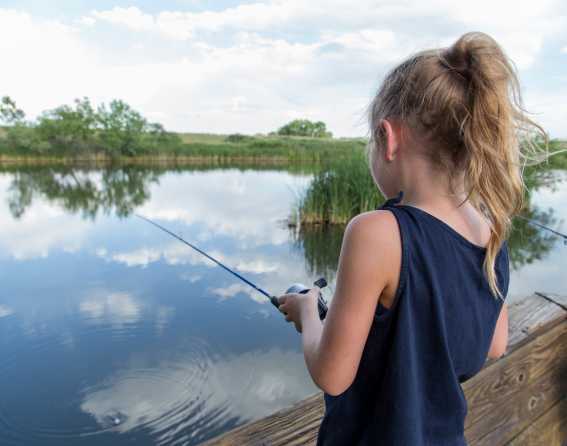
Catch-and-release fishing is permitted from early April to late November on Lake Ladora and Lake Mary. Anglers are required to use barbless hooks and no live bait. Game fish in Lake Mary include largemouth bass, channel catfish, white and black crappie, bluegill and yellow perch. Grass carp are present in Lake Mary to control vegetation growth and common carp are present in both lakes. Lake Mary also has accessible wooden boardwalks and two wheelchair-friendly fishing piers. 

Archery

Bring your own bow and arrows to the free walk-up archery range, which has 15 lanes with shooting distances of 10 to 60 yards. The range is located near the Havana Ponds Trailhead.

Auto Tour

The 11-mile Wildlife Drive auto tour is narrated by a corresponding podcast. The drive takes about an hour to complete.

Winter Sports

During the rare times snow hangs around Denver in the winter, break out the snowshoes or cross-country skis while it lasts. You can enjoy a truly unique and beautiful experience on all 20 miles of trails. 


Visitor Center

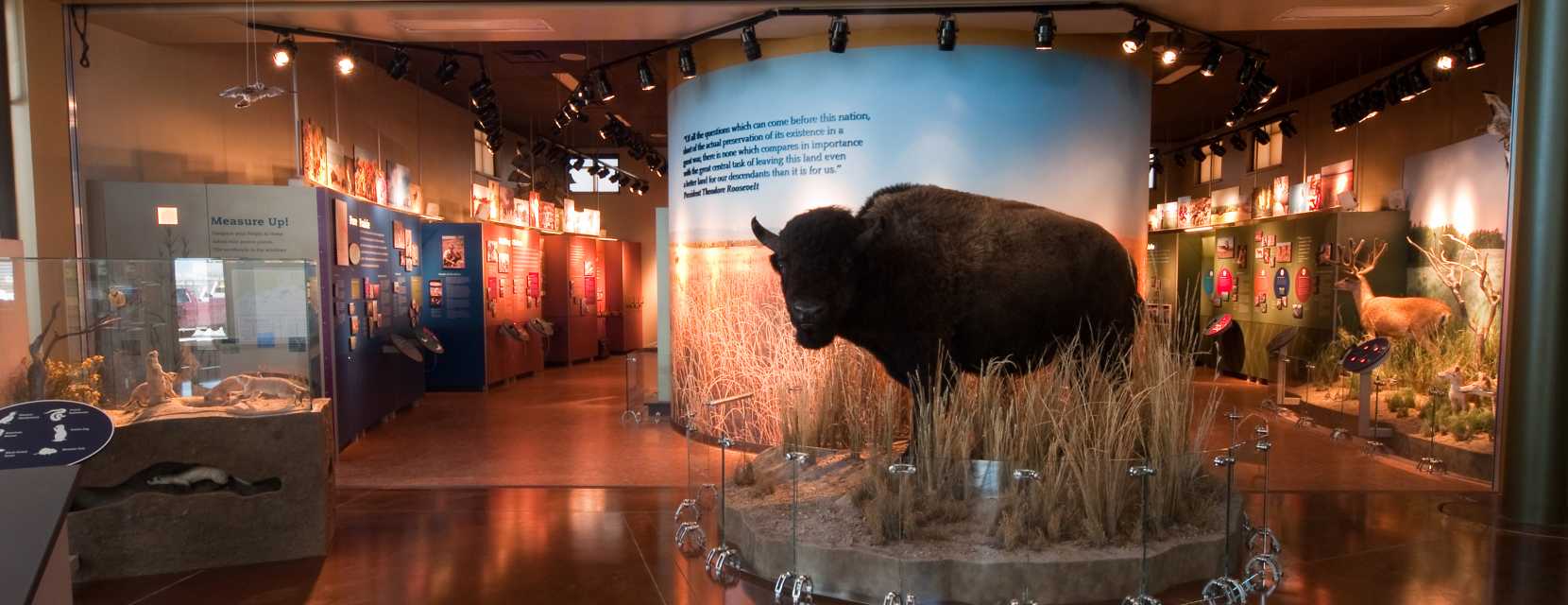
Begin your visit at the Visitor Center, located inside the refuge entrance. An interactive exhibit hall takes visitors on a journey through the site's history and showcases the abundance of wildlife at the site. A colorful Discovery Room full of wildlife activities, seasonal crafts and hands-on displays gives young naturalists a whole new perspective on nature. 


A Brief History: From Chemical Weapons to Wildlife Refuge

The history of the Rocky Mountain Arsenal National Wildlife Refuge stretches back more than 60 years. In 1942, during World War II, the U.S. Army bought 17,000 acres of farmland outside of Denver to develop chemical weapons to be used as a war deterrent. After the war, Shell Oil Co. acquired the land and began producing agricultural chemicals until 1985. There were few environmental laws before the 1960s, and chemical production at the arsenal resulted in contamination of soils and groundwater at the site. In the 1980s, the discovery of a large population of wintering bald eagles at the site kick-started the environmental recovery that continues today. 

Soon, people realized that despite the contamination of the site, there were extensive and healthy wildlife populations throughout the arsenal. Deer, prairie dogs, coyotes and many species of hawks, owls and other birds thrived in the abandoned fields, grasslands and wood lots that had been protected from 40 years of urban sprawl and development. In 1992, Congress passed the Rocky Mountain Arsenal National Wildlife Refuge Act, designating the site as a future refuge. Since then, the U.S. Fish and Wildlife Service has managed the site "as if it were a refuge," monitoring wildlife health, restoring native prairie habitats, and providing opportunities for spectacular wildlife viewing and recreation. 

The refuge has quickly become one of the premier urban national wildlife refuges in the United States.

Dynamic Variation:

Fall & Winter

Plan Your Getaway

Outdoor Activities & Wellness

Attractions

Arts & Culture

Family Friendly

Day Trips & Around Colorado

Sports & Recreation

Health, Fitness & Wellness

Shopping

Nightlife

Itineraries

Denver Sports Teams

Festivals & Events

Local Guide


Check-in → Check-out

Choose Deal

Guests

Find hotels with space to spread out, helpful perks, and easy access to family fun.

These Denver hotels double as art destinations, blending design and creativity into every stay.