


Colorado’s most impressive attractions aren’t all at 14,000 feet. Take a bite of a Palisade peach in midsummer, its sweet, sticky juices running down your arm, or catch a whiff of Pueblo green chiles blistering over open flames in September, and you’ll realize some of the state’s finest natural attributes come straight from the soil.
That’s because Colorado’s unique climate — with warm, sunny days and cool nights make for exceptionally sweet fruits and veggies; high altitude boosts ripening speed; and melting snowpacks supply mineral-rich water to soil — creates ideal conditions for prime produce. And Denver is the culinary capital to taste it all, whether you’re browsing a bustling farmers’ market or dining at a farm-to-table restaurant.
Visit during harvest season and you’ll be amazed by those peaches and peppers, plus Olathe sweet corn, Rocky Ford melons, Rocky Mountain trout, locally raised beef, lamb and bison, and so much more. But Colorado's growing season doesn't end with a single harvest. As the calendar changes, so do Denver's menus, with Michelin-recognized restaurants and neighborhood favorites celebrating whatever local ingredients are at their peak.
Iconic Colorado Ingredients
Pueblo Green Chiles
You know it’s September in Colorado when the smoky, peppery aroma of Pueblo chiles roasting over an open flame hits you. Grown in and around Pueblo in southern Colorado, these thick-walled peppers are meaty and spicy—about on par with a jalapeño for heat, although some can get way hotter. Harvest begins in late summer and runs into October, and the crop is celebrated each September at the Pueblo Chile & Frijoles Festival, where visitors can sample the peppers roasted fresh, simmered in the state’s iconic green chile, piled onto sloppers (an open-faced burger drenched in green chile) and even brewed into local beers.
Palisade Peaches
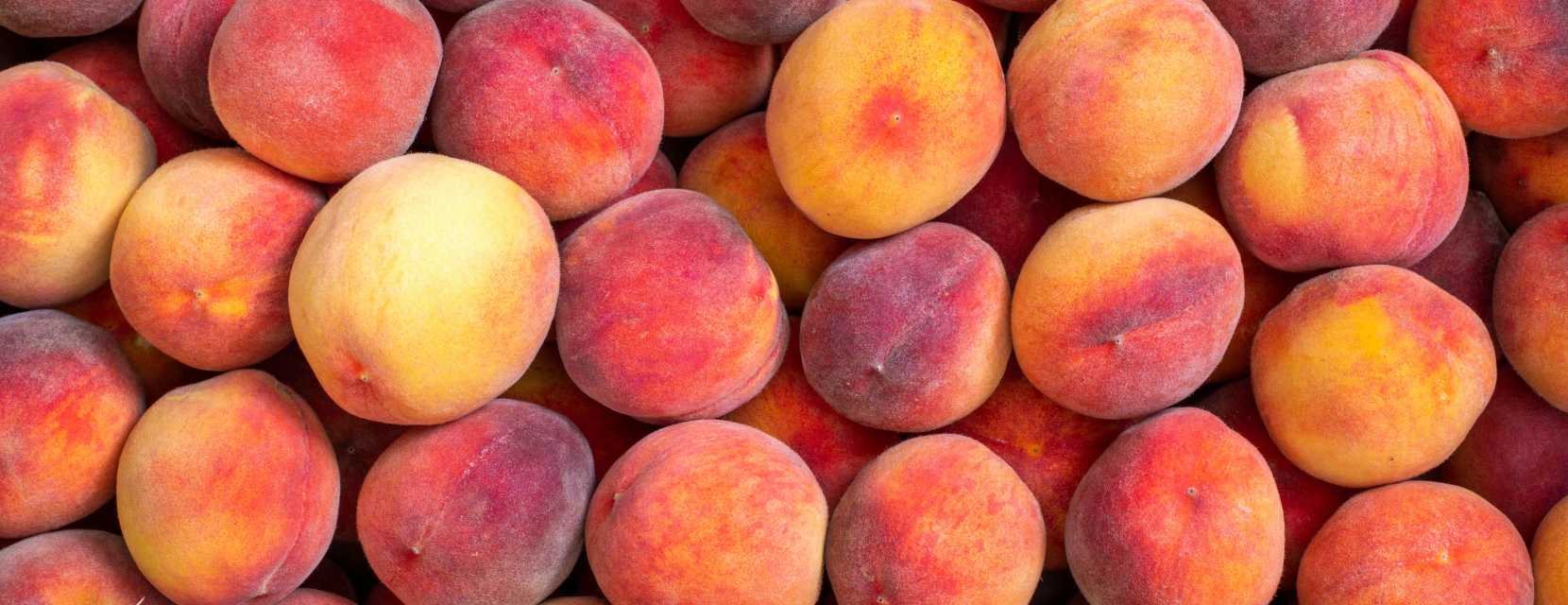
Maybe the crown jewel of Colorado produce, Palisade peaches are the kind of fruit people plan their summers around. The plump, juicy peaches develop their intensely sweet flavor in the Grand Valley’s perfect microclimate, where hot days and cool nights create the ideal balance of sweetness and acidity. You’ll hear people start whispering about crops arriving in July, but August is peak peach, when the Western Slope’s most coveted fruit is at its best.
Olathe Sweet Corn
Certainly in the running for America’s best corn, Olathe sweet corn has a very devoted following. From late July to early September, you’ll find chefs using it in everything from elote to pizza to ice cream, because no one can get enough of the sweet, yellow-and-white kernels. Grown in the Uncompahgre Valley in the western part of the state, these cobs have been a Colorado summer tradition since the special seed variety was introduced in the 1980s.
Rocky Ford Melons
Grown in the sunny Arkansas River Valley of southeastern Colorado, Rocky Ford melons are one of those ingredients Coloradans wait all year to eat. The watermelon and honeydew are pretty darn great, but it’s the cantaloupe that has become the region’s signature crop. Look for the fragrant, super-sweet melons starting in late July and going through early to mid-September.
Rocky Mountain Trout
With more than a dozen species of trout swimming around our freshwater lakes, rivers and streams, Colorado anglers have a smorgasbord of fishy finds. Rainbow, brown, cutthroat and brook are among the most prized, and the mild, flaky fish is beloved by chefs for its versatility. Thanks to Colorado’s year-round aquaculture operations, especially in the mountain communities and San Luis Valley, Rocky Mountain trout is available fresh throughout the year.
Colorado Beef, Lamb and Bison
Calling all carnivores: Across the state, generations of ranchers are passionate about sustainably raising happy, healthy animals that produce exceptional meat. The result? A state known for its beef, including the Denver steak, a tender cut once overlooked but now celebrated by chefs. Add in world-class lamb and flavorful bison and it’s easy to see why ranching traditions are a major part of Colorado’s food story.
Farm-to-Table Restaurants
Ready to taste Colorado at its peak? Here are some Denver restaurants that transform the state’s seasonal harvests and signature ingredients into memorable meals.
Mercantile
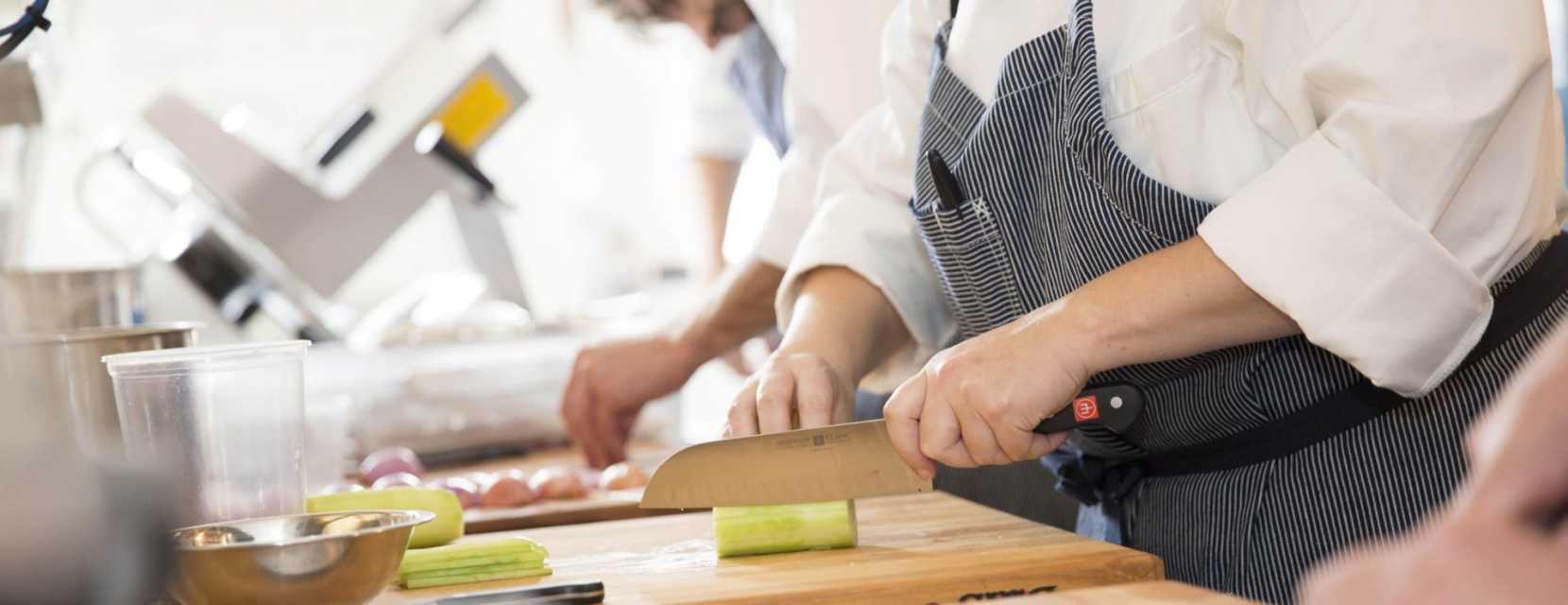
This ambitious spot inside Denver Union Station is so devoted to local ingredients that it uses them on its restaurant menu, sells them in its artisan market section and even uses them as décor. An extensive preserving and pickling program means chefs can showcase Colorado produce year-round, whether it’s midsummer or the dead of winter.
Rioja
For more than 20 years, Larimer Square’s modern Mediterranean and Spanish restaurant has been wowing locals and visitors alike with its season-intensive menu. And you might recognize a face in the kitchen — chef/owner Jennifer Jasinski has not only won a James Beard Award, but she competed on “Top Chef Masters.”
Panzano
Northern Italian cooking meets Colorado’s growing seasons inside this Kimpton Hotel Monaco restaurant. The menu — always a mix of handmade pastas and mouthwatering entrees — evolves with the harvest, proving that great Italian food begins with exceptional ingredients.
Mizuna
The menu changes monthly at Mizuna, so you know everything on your plate is made from the freshest possible ingredients. Dubbed an American eatery rooted in French cooking techniques, the result is a special meal served in a sophisticated setting.
Stellar Jay
Perched high above downtown in the eco-friendly Populus Hotel, Stellar Jay pairs sweeping mountain and city views with a menu that celebrates Colorado’s farms and ranches. While the views tend to get much of the attention, the live-fire, open-flame cooking is pretty, well, stellar too.
Root Down
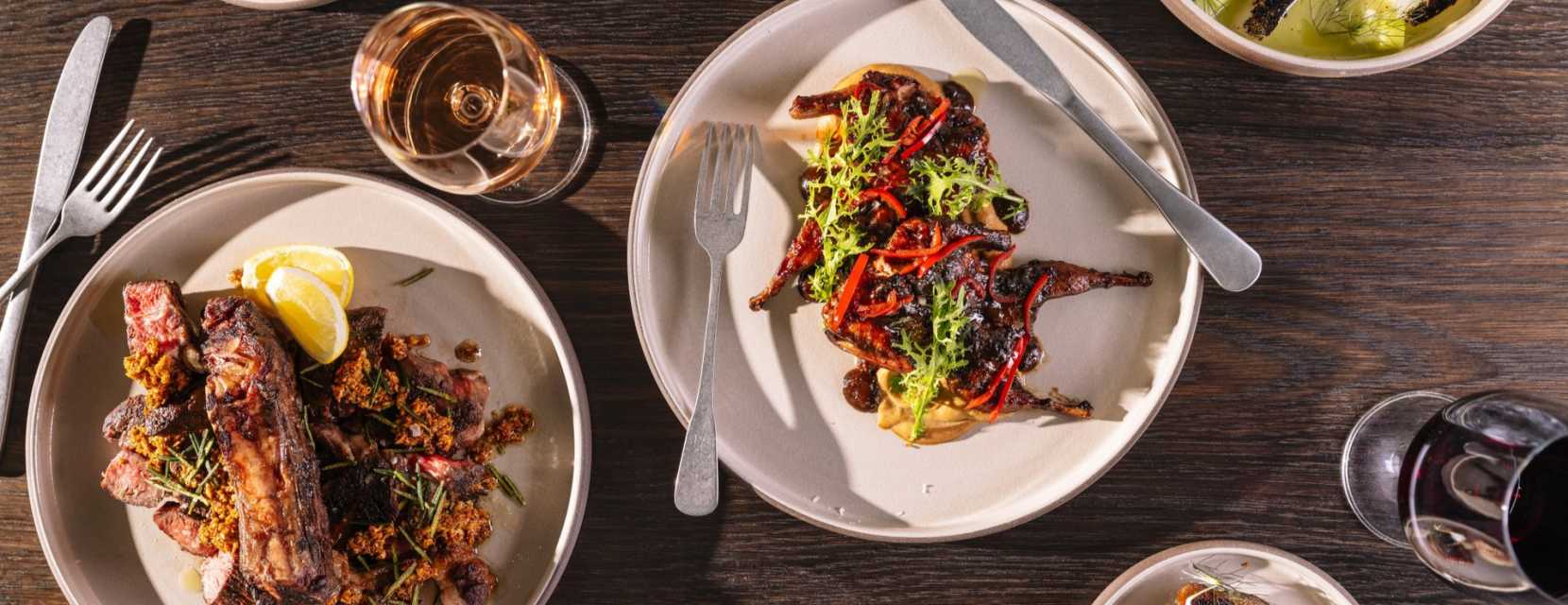
Root Down has made local sourcing part of its DNA, weaving Colorado produce and proteins into super creative, globally inspired dishes. It’s become such an iconic part of the Denver restaurant scene that a location greets travelers at the Denver International Airport.
The Plimoth
The Plimoth’s concise menu shifts with the seasons, always allowing local produce, meats and grains to shine. Tucked into North City Park, the tiny neighborhood eatery feels like a delicious secret, the kind of place that has steadily built a loyal following through word of mouth.
Wildflower
LoHi’s Wildflower could be the quintessential Colorado restaurant. Its stunning décor is an homage to our Western landscape, and the highly seasonal menu is as much about cooking up Denver’s Italian and Mexican roots as it is showcasing local farmers and producers.
Point Easy
Equal parts Whittier neighborhood hangout and destination restaurant, Point Easy’s food and drink are seasonal tributes to what the state has to offer. The menu is unfussy, pasta-heavy and at its best when it riffs on a dish you think you know.
duo Restaurant
One of Denver’s earliest farm-to-table pioneers, duo has spent decades building relationships with Colorado farmers and ranchers. Its menu is written by the seasons, and the weekend brunch is reason enough to set an alarm on a Saturday.
Potager
Long before farm-to-table forced its way into our collective culinary lexicon, there was Potager. The OG on the Denver dining scene for building a menu around whatever popped up on local farms that week, you can expect simple preparations and exquisite ingredients.