


The Mile High City is a true gateway to the great outdoors. Within a few hours’ drive, you can access all four of Colorado’s national parks to explore a striking variety of landscapes: alpine tundra, towering sand dunes, ancient cliff dwellings and one of the steepest canyons in North America.
Starting your trip in Denver gives you the advantage of acclimating to the altitude while uncovering some new favorite restaurants, walkable neighborhoods with history and personality, and fun activities to suit your mood. Then hit the road for a day trip or extended adventure into any of Colorado’s national parks near Denver. Whether you’ve got a few hours or a few days, we’ve got an itinerary to pull off a great visit.
- Rocky Mountain National Park
- Great Sand Dunes National Park and Preserve
- Black Canyon of the Gunnison National Park
- Mesa Verde National Park
Rocky Mountain National Park
Distance from Denver: About 65 miles northwest (1.5 hours)
Rocky Mountain National Park (RMNP) is the closest and largest of the national parks near Denver — a bucket list destination for many travelers, with classic Colorado peaks and views that truly take your breath away. Just beyond Estes Park, the landscape rises quickly from forested valleys to alpine tundra. Watch elk grazing in meadows, breathe in the scent of pine trees and enjoy sweeping views along Trail Ridge Road. Reaching more than 12,000 feet in elevation, it’s the highest continuous paved road in the United States.
Top Things to Do in Rocky Mountain National Park
In 2 Hours:
- Drive Trail Ridge Road: Soak in breathtaking views above the treeline, with minimal hiking required. (Road is typically open to vehicles from late May to mid-October.)
- Stroll Sprague Lake or Bear Lake Loop: These flat, scenic loop trails are only about a half mile each and mirror postcard-worthy reflections of the Continental Divide.
In a Day:
- Hike to Alberta Falls: This moderate, 1.6-mile out-and-back trail is a favorite for families and showcases tumbling waterfalls and alpine scenery.
- Spot wildlife in Moraine Park or Sheep Lakes: Early morning and dusk offer the best chances to see elk, moose and other animals in Moraine Park. From May through mid-August, visit Sheep Lakes between 9 a.m. and 3 p.m. when bighorn sheep are most likely to descend from higher elevations to graze and drink.
In 3 Days:
- Explore multiple regions of the park: Combine hikes, scenic drives and ranger programs for a deeper experience. Some favorite trails include Coyote Valley (1-mile, wheelchair-accessible loop) and Big Meadows (3.6-mile loop) on the west side of the park and Dream and Emerald lakes (3.2 miles out and back) and The Loch (5.5 miles out and back) on the east side.
- Go horseback riding or snowshoeing: In the warmer months, take a load off and explore the park on horseback. During the winter, hit the trail in a pair of snowshoes for a serene experience without the crowds.
- Visit nearby Estes Park: Check out the visitor center, browse local boutiques and galleries on Elkhorn Avenue (the town’s Main Street) or ride the aerial tramway for panoramic views of the region.
RMNP Timed-Entry Reservations:
From mid-May to late October, a timed entry reservation is required to enter and visit all areas of Rocky Mountain National Park (including outlying areas like Lily Lake, Longs Peak, Lumpy Ridge and East Inlet Trail) during certain hours of the day.
Timed-entry reservations allow park visitors to enter RMNP within designated 2-hour windows of time. Once you enter the park, stay as long as you like. There is no set time for departure. Get details and make a reservation
There are two reservation options available: Timed Entry gives you access to most of the park and outlying areas except Bear Lake Road; reservations are required 9 a.m. to 2 p.m. Timed Entry+ includes access to Bear Lake Road, the rest of the park and outlying areas; reservations required 5 a.m. to 6 p.m.
A schedule of reservation release dates is available on the RMNP website. If you’ve missed a release date, you can try to grab one from the additional timed-entry reservations that are released at 7 p.m. MT the night before.
RMNP Transportation Tips:
On summer weekends, you can take the Bustang bus from Denver’s Union Station to Estes Park and Rocky Mountain National Park (RMNP) with convenient stops along the way. The bus has bathrooms, Wi-Fi, power outlets, bike racks and storage. Check rates and schedules on the RTD website. And as a major perk, you’ll bypass the timed-reservation requirements (but will still need a park pass for entry).
From late May to October, two free shuttle routes provide daily service from the Park & Ride Transit Hub on Bear Lake Road to popular destinations within the park like Moraine Park, Sprague Lake, Glacier Gorge and Bear Lake.
Lumenati Productions @VisitColorado
Great Sand Dunes National Park and Preserve
Distance from Denver: About 240 miles south (3.5–4 hours)
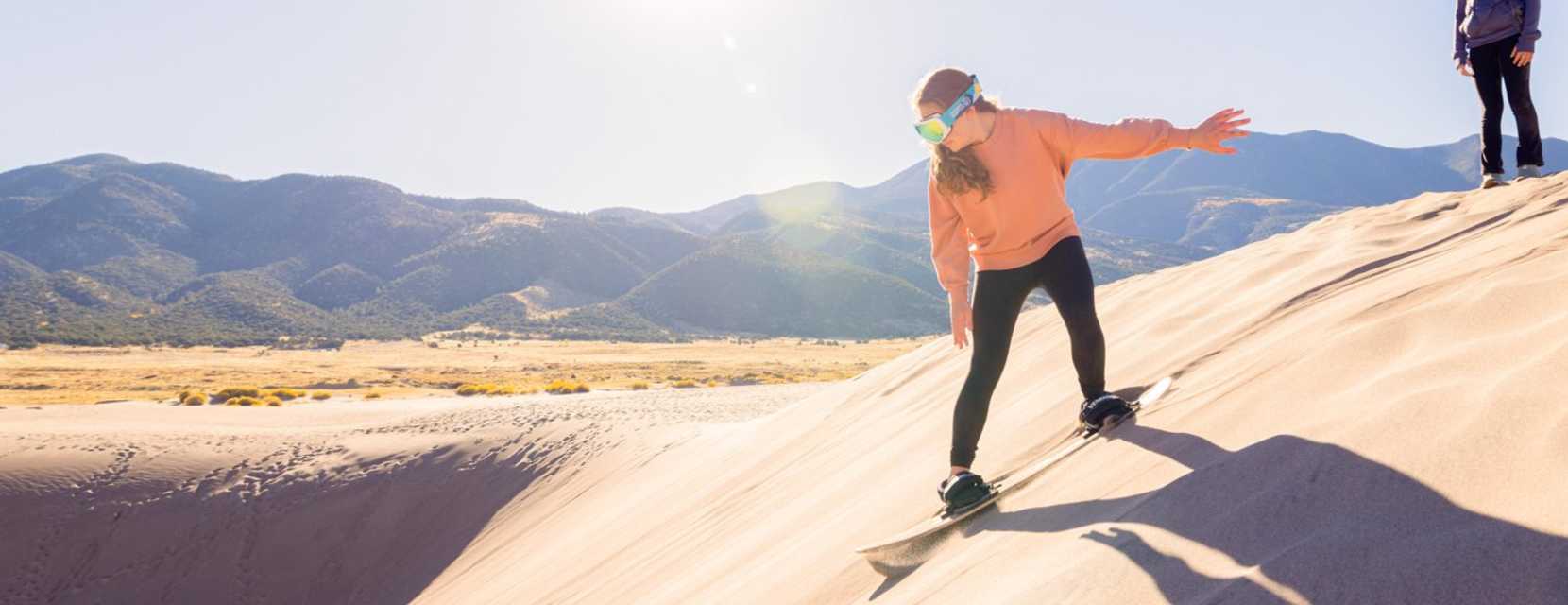
At Great Sand Dunes National Park and Preserve, North America’s tallest dunes rise dramatically against the Sangre de Cristo Mountains. The landscape feels otherworldly — a study in contrasts between the warm, golden sand underfoot and the snowcapped peaks in the distance. Medano Creek flows seasonally from April through June at the base, continuing to shape the enormous dunes and giving locals, visitors and wildlife an ideal spot to wade, play and cool off.
Top Things to Do in Great Sand Dunes National Park and Preserve
In 2 Hours:
- Walk to the base of the dunes: Follow the flat trail from the parking area to experience the scale of North America’s tallest dunes. Kick off your shoes to feel the sand between your toes!
- Splash in Medano Creek (spring/early summer): Wade through this seasonal, beach-like creek that flows at the base of the dunes. Mysterious pulses in the flow of the creek create small waves and a fun environment to play in.
In a Day:
- Sandboard or sand sled the dunes: Rent special dune-adapted gear (regular sleds tend to just sink in the sand) and ride down the slopes for a uniquely Colorado thrill. Boards and sleds are available outside the park only (about $20–25 per day) at the Great Dunes Oasis (4 miles from the visitor center) and Spin Drift Sandboards in Blanca.
- Hike to High Dune: A moderately strenuous climb (2–3 hours round-trip) with sweeping views over the dune field and surrounding peaks.
In 3 Days:
- Camp beneath dark skies: Stay at Piñon Flats Campground or nearby sites to experience exceptional stargazing in this certified International Dark Sky Park.
- Explore beyond the dunes: Take a scenic drive along Medano Pass Primitive Road (high-clearance, 4x4 vehicle required) for thrilling creek crossings and secluded backcountry views. (Road is typically open to vehicles from mid-May to late November.)
- Discover the San Luis Valley: Soak in nearby hot springs like Joyful Journey or Sand Dunes Recreation or stop at the quirky UFO Watchtower for an offbeat roadside adventure.
Timing Tip: Visit early in the morning or during the evening in warmer months. Wildlife moves more at dawn and dusk, and sand temperatures climb quickly. By midday, the surface can get hot enough to make barefoot hiking uncomfortable and slow your return. Keep footwear within reach if you plan to climb, and check the sand if you're bringing your pup to keep their paws safe.
Lumenati Productions @VisitColorado
Black Canyon of the Gunnison National Park
Distance from Denver: About 260 miles southwest (4.5–5 hours)
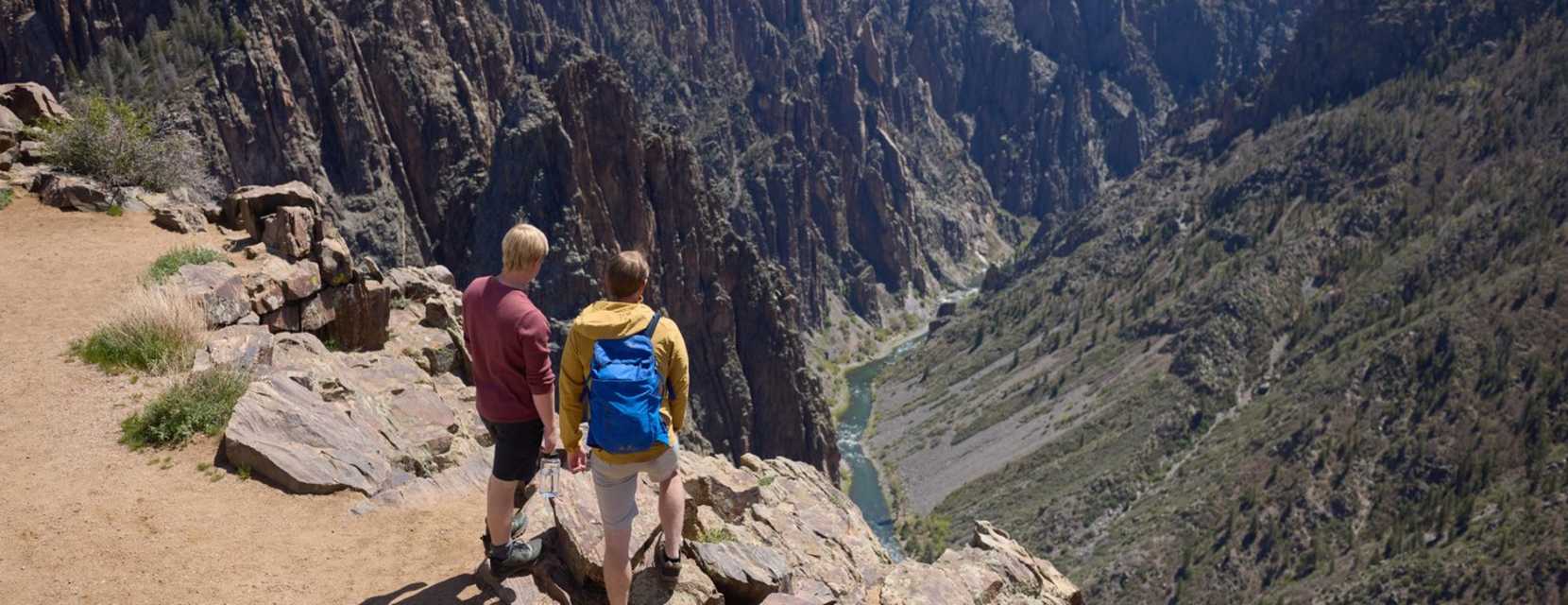
The Black Canyon of the Gunnison’s sheer cliffs are made of some of the world’s oldest exposed rock, dating back almost 2 billion years! Plunging nearly 2,000 feet to the river below, the canyon’s narrow shape and vertical walls limit sunlight, the shadows making the rock appear black (hence the name). The Gunnison River, which carved this geologic marvel, rushes below, creating challenging whitewater for rafters and kayakers and Gold Medal trout fishing.
Top Things to Do in Black Canyon of the Gunnison
In 2 Hours:
- Drive South Rim Road: This paved road follows the canyon rim for 7 miles from Tomichi Point to High Point. Stop at overlooks like Gunnison Point for dramatic canyon views, and keep your eyes peeled for peregrine falcons — the planet’s fastest birds! (Road is typically open to vehicles beyond Gunnison Point from late April to mid-November.)
- Catch sunset at Chasm View or the aptly named Sunset View: Watch shifting light transform the canyon walls.
In a Day:
- Hike the Rim Rock Nature Trail: This moderate, 2-mile out-and-back trail meanders along the edge of the canyon, with dramatic cliff views and panoramic vistas of the West Elk Mountains.
- Take part in park programs: Check out the exhibits in the South Rim Visitor Center and join a short, ranger-led program to learn about the canyon’s geology, human history and wildlife. In the winter, go on an introductory snowshoe walk with a ranger through meadows and along the canyon rim.
In 3 Days:
- Explore the quieter North Rim: There is no bridge across the canyon, so allow two to three hours to drive there from the South Rim. The unpaved North Rim Road has six overlooks — some of the most impressive views in the park. (Road is typically open to vehicles from mid-spring through the fall.)
- Stargaze: Camp overnight for some of Colorado’s best night skies in this designated International Dark Sky Park.
- See the canyon from a different perspective: Drive East Portal Road to the bottom of the canyon. Watch for wildlife along the steep, winding route and bring along a picnic lunch to enjoy at one of the picnic tables or shelters. (Road is typically open to vehicles from April to November.)
- Make a stop in Montrose: This charming small town has three local museums — Ute Indian Museum, Museum of the Mountain West and Montrose County Historical Museum.
Plan Ahead: Services are limited inside the park, especially on the North Rim. Bring water and snacks with you and fuel up before arriving. Download maps before you arrive, as cell service is spotty at best. Most visitors enjoy the park from overlooks and rim trails — and any visitors wishing to travel below the rim of the canyon are required to obtain a Wilderness Use Permit.
Lumenati Productions @VisitColorado
Mesa Verde National Park
Distance from Denver: About 400 miles southwest (7–7.5 hours)
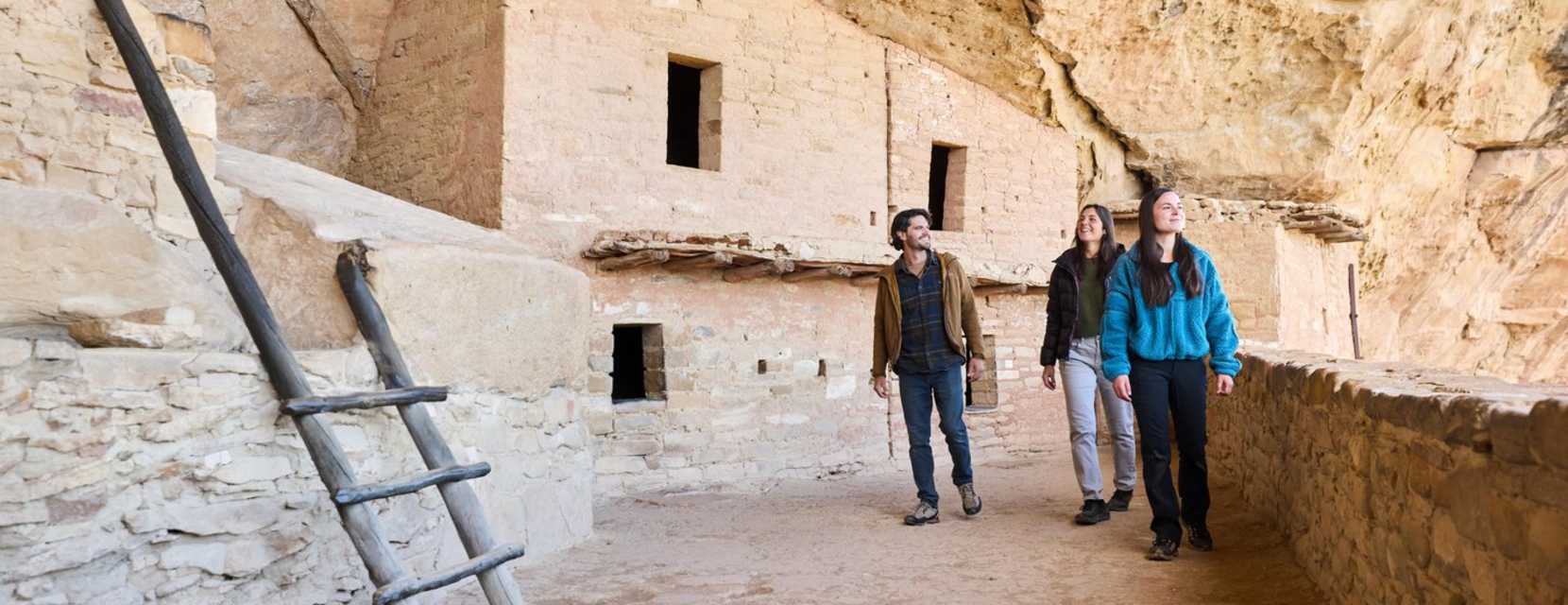
Mesa Verde National Park preserves one of the most significant archaeological sites in North America. Here, ancestral Puebloans built intricate cliff dwellings into sandstone alcoves more than 700 years ago. Beyond its cultural significance, the park offers sweeping views of high-desert landscapes shaped by wind and time: rugged canyons, quiet mesas, pinyon-juniper forests and sculpted sandstone cliffs. This combination of Indigenous human heritage and natural beauty sets Mesa Verde apart from other Colorado national parks.
Top Things to Do in Mesa Verde National Park
In 2 Hours:
- Start at the Visitor and Research Center: Explore exhibits on ancestral Puebloan life, architecture and daily routines, then map out your route to key cliff dwellings and viewpoints.
- Drive the 6-mile Mesa Top Loop Road: Stop at overlooks to photograph cliff dwellings and pit houses while learning about ancestral Puebloan life.
In a Day:
- Tour Cliff Palace or Balcony House: Join a ranger-led tour (advance reservations required) to walk through remarkably preserved cliff dwellings.
- Cruise the Trail of the Ancients scenic byway: Take in expansive canyon views, look for wildlife like mule deer, coyotes, wild turkeys and soaring hawks and explore multiple archaeological sites.
In 3 Days:
- Explore Chapin Mesa and Wetherill Mesa: Hike quieter trails and visit lesser-known sites like Long House for a deeper, less-crowded experience.
- Hike Petroglyph Point Trail: Follow this moderate loop trail near Spruce Tree House to see ancient petroglyphs etched into rock faces.
- See the towns: Head to nearby Cortez or Mancos to enjoy local restaurants, galleries and access to additional cultural sites like Canyons of the Ancients National Monument. Or spend a day in Durango, where a lively historic downtown, the scenic Durango & Silverton Narrow Gauge Railroad and easy access to the San Juan Mountains round out the experience.
Pack Smart: Most cliff dwellings can only be entered via ranger-led tours, which include ladders and uneven steps. Wear sturdy shoes and be prepared for some light climbing!
For more outdoor adventure, explore Colorado state parks near Denver, Denver mountain parks and Denver city parks. And for inspo on your trip to Denver, order a free Official Visitors Guide or sign up for the Discover Denver e-newsletter.
Colorado National Park Visitor FAQs
When is the best time to visit Colorado’s national parks?
Colorado national parks are year-round playgrounds for outdoor enthusiasts! Summer offers the most access, especially in high-elevation areas like Rocky Mountain National Park. Fall brings fewer crowds and vivid foliage, while spring sees dainty wildflowers and flowing, snowmelt-filled creeks. Winter offers fewer crowds and unique recreation opportunities like snowshoeing and cross-country skiing, though some roads may be closed or inaccessible.
Do I need a timed entry permit?
Rocky Mountain National Park currently requires timed-entry reservations during peak seasons — usually late May through mid-October. Reservations are released in monthly blocks on Recreation.gov. Other Colorado national parks typically do not require timed entry but may have seasonal closures due to snow and ice.
How much does it cost to enter?
Most Colorado national parks charge $25–$35 per vehicle for a 7-day pass, with walk-in or bicycle entry around $15–$20 per person. Plan to visit multiple national parks? The $80 America the Beautiful Pass covers all U.S. national parks for a year. Children under 16 enter free, and discounts are available for military members, senior citizens and fourth graders. Check individual national park websites for fee information.
What should I pack for a national park trip in Colorado?
Bring layers, plenty of water, sun protection and sturdy footwear. Weather can change quickly, especially at higher elevations, and shade can be limited in places like the Great Sand Dunes.
Can I visit a national park as a day trip from Denver?
Yes! Rocky Mountain National Park is the easiest park to visit on a day trip at just 90 minutes away. The others are better suited for overnight or multi-day trips, with Denver serving as your starting point.
Why start in Denver?
Denver’s elevation (5,280 feet) helps visitors gradually acclimate before heading higher into the mountains. It also offers a major airport, great hotels, an exciting dining scene and myriad cultural attractions, making it an ideal base camp for exploring Colorado’s national parks.