


Urban agriculture is poised to double its global output in the 2020s. The industry meshes hyperlocal production, sustainability and cutting-edge technology to grow and deliver the freshest possible produce to restaurants and consumers. In Denver, several farms are literally planting the seeds for long-term growth.
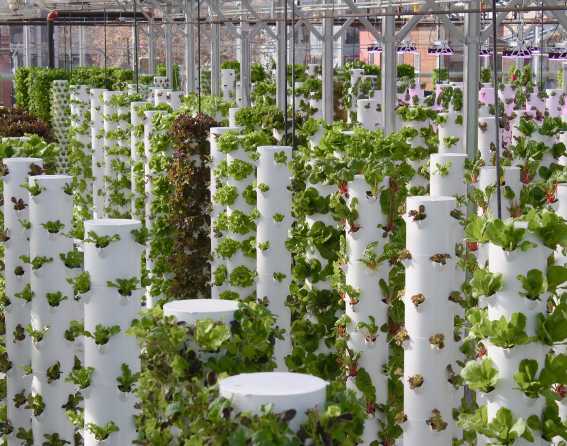
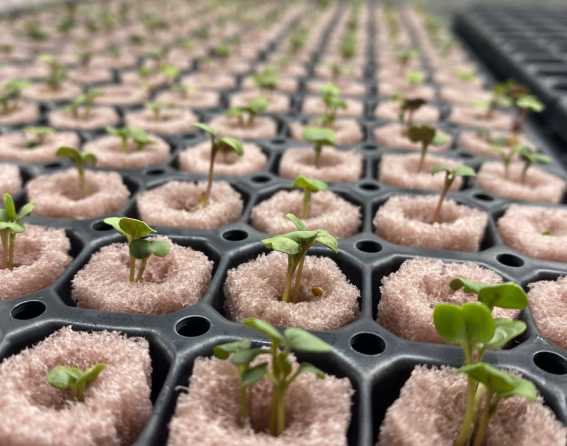
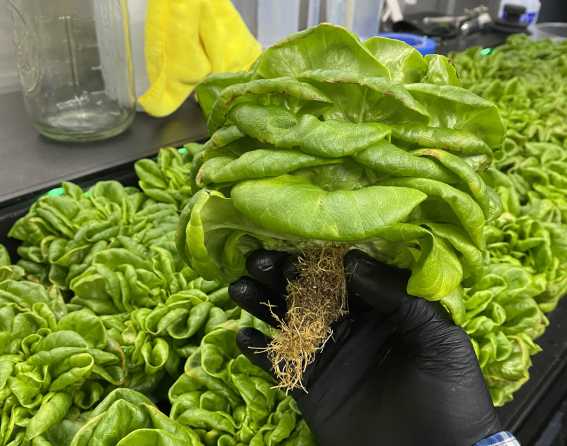
And you don't have to go far. Edible Beats, the restaurant group that owns Vital Root, Root Down, Linger and El Five, has built a 320-square-foot vertical hydroponic farm in Vital Root's back yard in the Berkely neighborhood. Called BeatBox Farms, it's equivalent to the output of 2.5 acres of farmland annually and is estimated to deliver 120 pounds of veggies and greens weekly, from red Russian kale to watercress. By filtering and recycling water, they use a tiny fraction of what a traditional farm uses. Better yet, they don't need pesticides and insecticides, which prevents groundwater contamination.
At the helm of Edible Beats' operation is Cori Hunt.
"With this kind of local farming, the self-contained vertical hydroponic grow system produces 10x more volume year-round than the equivalent size of a traditional farm, with a daily consumption of roughly $20 in energy, and only 4 gallons of water per day," Hunt says. “Together we are attempting yet again to break as many molds as possible, pick up the pieces and build a better future.”
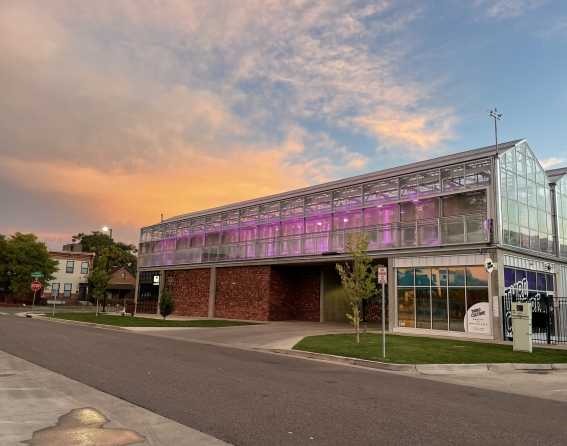
It’s far from the only urban farm in Denver. JFS Altius Farms founder and COO Sally Herbert started growing produce above Uchi, a Japanese restaurant in the River North Art District (RiNo), in 2018.
“I just wanted to change the way that food was grown and bring food production closer to our points of consumption,” says Herbert, whose military background helped inform her career move.
Mission accomplished: The 7,200-square-foot rooftop farm harvests more than 30,000 pounds of produce annually.
“We’re at capacity right now, and we pretty much have always been at capacity,” says Herbert.
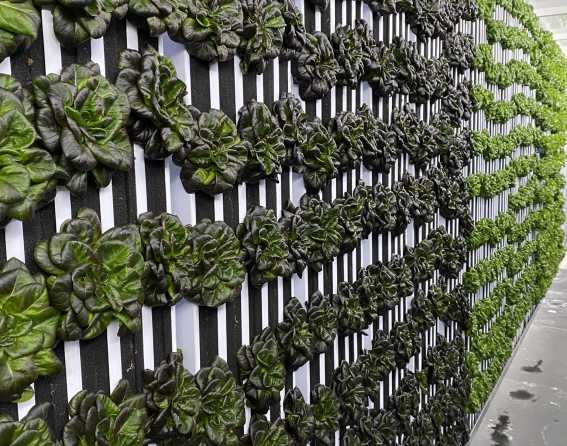
Altius supplies leafy greens and herbs to about 30 restaurants, including Uchi, Tavernetta and Leven Deli Co. The produce is also available through a CSA program and markets like Marczyk Fine Foods and Leevers Locavore.
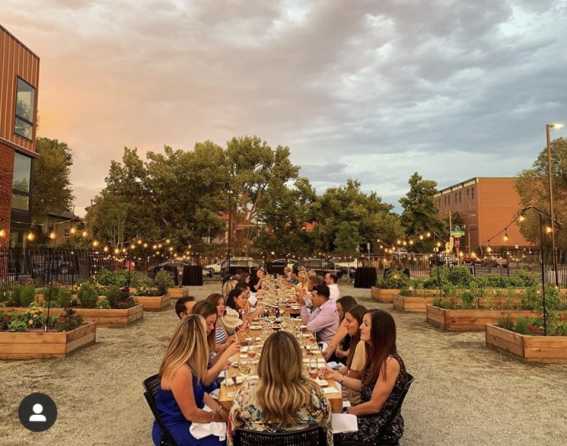
The outdoor garden is available for events with up to 90 people; tours are not available.
While it’s not an easy job, Herbert says urban farming is rewarding — with a catch.
“You can change the game, and we certainly need to be thinking about this,” she says. “But with all candor, it’s pretty damned expensive and hard to make something like this work in a city center.”
Originally founded in 2014 and shuttered during the pandemic, Rebel Farm is rebooting in the Harvey Park neighborhood. New owner James O’Brien recruited co-founder Lauren Brettschneider to help get the operation going again in a 15,000-square-foot warehouse on West Evans Avenue, with the possibility of a larger greenhouse at a separate location.
The produce, including bok choi, edible flowers, arugula, and bibb lettuce, is now available to both home chefs and restaurants.
“This is a passion project for me,” says O’Brien, whose day job is in wealth management. “I’ve had a real interest in urban farming and hydroponic farming for a number of years.”
He sees a path to growth for Rebel Farm and urban agriculture in Denver.
“I think it’s a very viable business model, and I think there’s a huge need,” says O’Brien. “Everything’s harvested in the morning and delivered that afternoon, so it’s fresh. There’s a shortage. I hear from the restaurants all the time, there’s just not enough local farms to source from.”
“I totally think it’s the wave of the future. It’s good for the environment and you’re producing healthy food for people to eat,” he adds. “It’s a win all around.”