


When it comes to sustainable travel, few places do it better or greener than the Mile High City. Denver made National Geographic’s 2021 list of sustainable destinations, thanks to its support of solar power and bike lanes, as well as the city’s Certifiably Green Denver program.
While businesses all over the city have adopted sustainable practices, we're highlighting some of the standouts here. Read on for some ideas to consider when planning a sustainable, low-impact and eco-friendly trip to Denver.
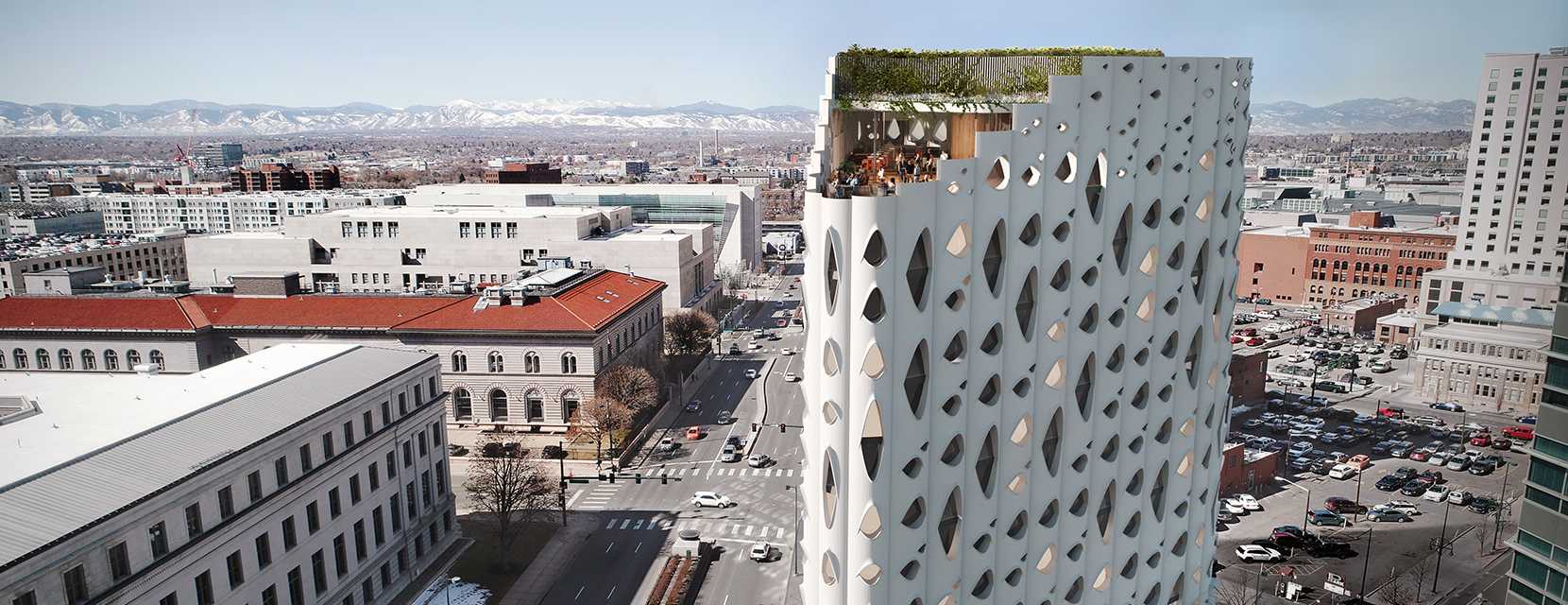
Populus Hotel
Where to Stay
Denver offers an already enviable array of eco-conscious accommodations but Populus is a standout. Located across Colfax Avenue from the Colorado State Capitol, it's touted as the first “carbon-positive” hotel in the country. Its breathtaking exterior takes inspiration from the trunks of Colorado’s native aspen trees and uses as many reclaimed and eco-friendly materials as possible. Instead of buying carbon credits, the hotel planted 70,000 trees in Gunnison, Colorado.
Renaissance Denver Downtown City Center Hotel has more third-party certifications for sustainable operations than any other lodging in the city, including LEED, Green Seal, TripAdvisor GreenLeaders and Certifiably Green Denver.
Also downtown, Hotel Monaco of Kimpton Hotels is another local leader, with refillable bath amenities, motion-activated HVAC units, and low-flow water systems being just a few of the green features.
In Curtis Park, Queen Anne Urban Bed & Breakfast emphasizes eco-friendliness with locally sourced coffee and breakfasts, low-flow showerheads, shampoo dispensers and natural cleaning products.
River North Art District's (RiNo's) Source Hotel has been green since its groundbreaking, built with recycled and local materials for a LEED certification, and features water-efficient and bike-friendly amenities in the finished product.
Open since 1892, the Brown Palace Hotel & Spa by Marriott is 21st century when it comes to sustainability. Its Green Initiative has reduced electricity usage and water consumption while fostering five rooftop beehives that make honey for spa products and other uses.
If you want to ride Denver’s light rail instead of renting a car, the Crawford Hotel at Denver Union Station is hard to beat. Not only are you steps away from the city’s transit hub, but you’re in a walkable location and sleeping in a hotel that’s LEED-certified.

Root Down
Where to Eat
The Lower Highland (LoHi) neighborhood’s Root Down has set the pace for green dining in Denver since it opened in a repurposed service station in 2009. The menu emphasizes sustainable and local ingredients, as the decor leans heavily on recycled items.
Have a plant-focused meal at Vital Root on the eclectic Tennyson Street. The healthy menu utilizes herbs grown at the restaurant.
Another LoHi standout is Bamboo Sushi. (Now with a second location in Congress Park.) In 2008, it became the world’s first certified sustainable sushi restaurant. The restaurant gives one percent of the sales of its Green Machine Roll and Sushi Boards to environmental nonprofits.
The Id Hospitality Group, which runs Bruto, The Wolf’s Tailor and Hey Kiddo, among others, is so dedicated to minimizing food waste that they have an in-house fermentation director. Just how delicious is their creative utilization of every last bit of food? The Wolf’s Tailor is Denver’s first two-star Michelin restaurant.
On South Broadway, Somebody People (named after a David Bowie lyric) bills itself as “a vegetable-forward dining experience” with Mediterranean-inspired fare like roasted cauliflower and chargrilled polenta. Many ingredients are sourced from local farms.
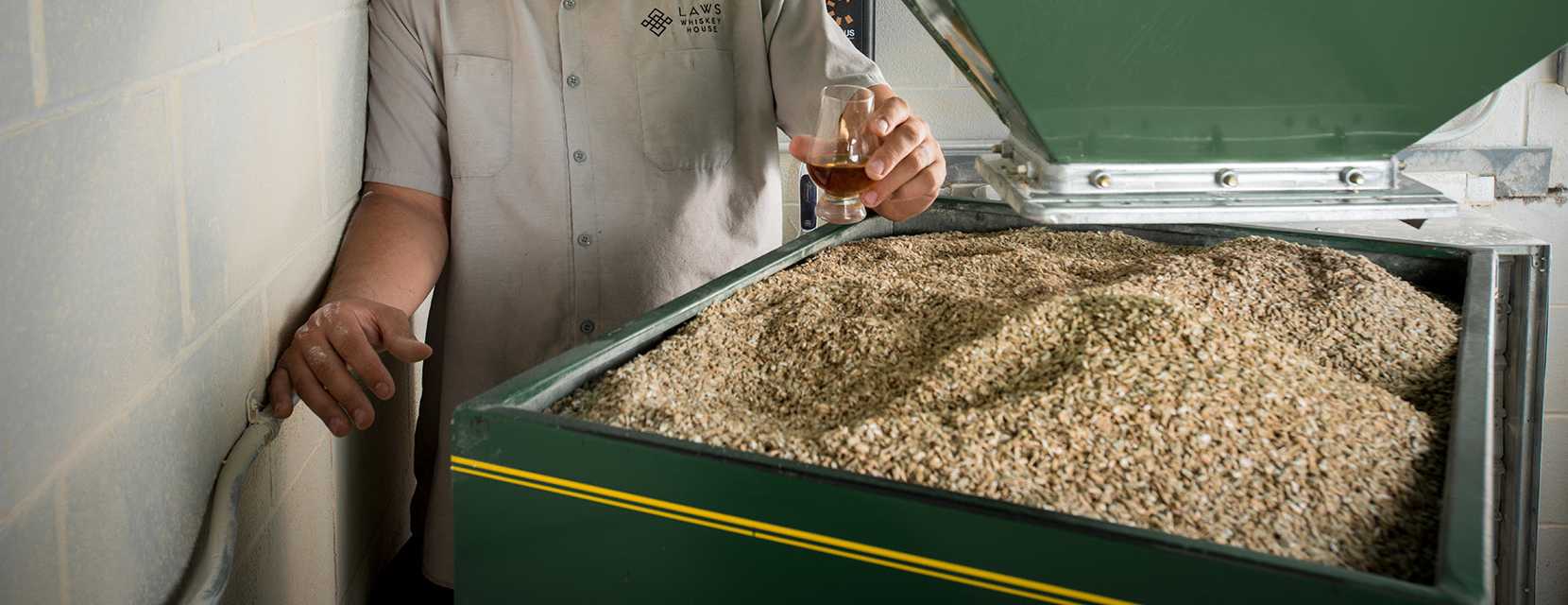
Laws Whiskey House
Where to Drink
Denver Beer Co. is a standout in sustainable brewing. The brewing operation captures 100,000-plus pounds of carbon dioxide annually with a system from Earthly Labs and its Canworks facility is 100% solar-powered. It's a recipient of the Environmental Leadership Program (ELP) Award from the State of Colorado.
In addition to using lighter-weight aluminum for packaging, donating all spent grain to a local cattle ranch and incorporating electric vehicles into its delivery fleet, Cerebral Brewing created a lower-carbon-footprint IPA. Shared Horizon is made from nearby hop and malt providers that are 19 times closer than their average suppliers.
In northeast Denver, Leopold Bros. has emphasized sustainable distilling since its beginnings in the early 2000s. Many herbs and botanicals are sourced from a garden onsite, and the zero-waste distilling operation is water- and power-conscious, with barrels aging without climate control or lighting to conserve electricity.
On the south side of the city, Laws Whiskey House primarily uses grains grown by family-owned farms in Colorado in its spirits. The distillery employs a closed-loop system to maximize water efficiency.
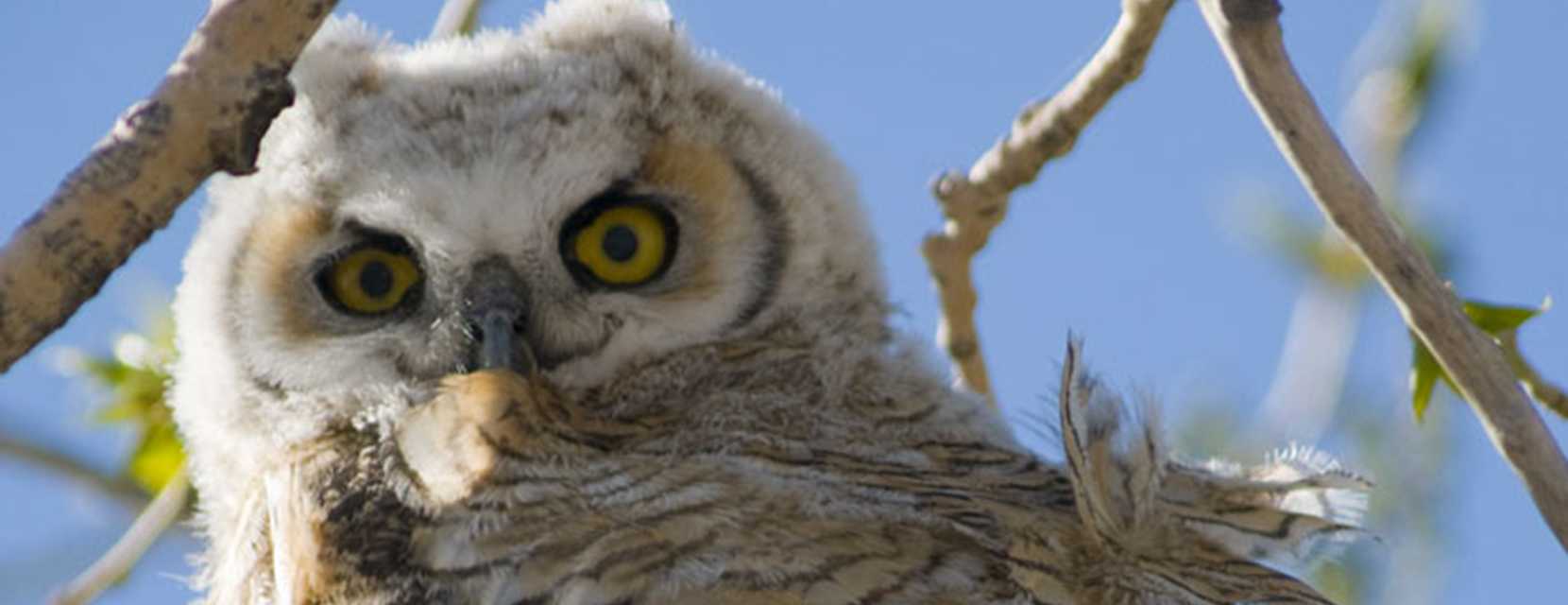
Rocky Mountain Arsenal National Wildlife Refuge
Where to Explore
West of Denver in Golden, the National Laboratory of the Rockies is the federal government’s hub for cleantech research and development. Public tours are available and often booked months in advance, but you can put your name on a waiting list in the event of cancellations.
Just north of the city, the Rocky Mountain Arsenal National Wildlife Refuge is a huge success story from the federal Superfund program. The former chemical weapons facility was remediated and restored to support a bison herd as well as bald eagles, alligator snapping turtles and black-footed ferrets. There are 20 miles of easy trails onsite.
In the center of the city, Confluence Park is another environmental success story. Formerly filled with all manner of wreckage and debris, the intersection of the South Platte River and Cherry Creek is now a vibrant, people-friendly place, and the hub of the city’s bike trails.
The Denver Museum of Nature & Science is notably energy-efficient, utilizing heat pump technology, daylighting, and rooftop solar panels. The museum also has low-water landscaping and a waste diversion program.
The heart of the city’s contemporary art, MCA Denver is based in a LEED-certified building, supports the development of local solar gardens, and utilizes multi-use and recyclable cutlery and plates in its restaurant.
For a loftier perspective on the benefits of environmental stewardship, head to the high country of the Denver Mountain Parks system, featuring more than 20 parks that span 14,000 acres in all. The options include Red Rocks Park & Amphitheatre, home of the fabled amphitheater and a pair of hiking trails.
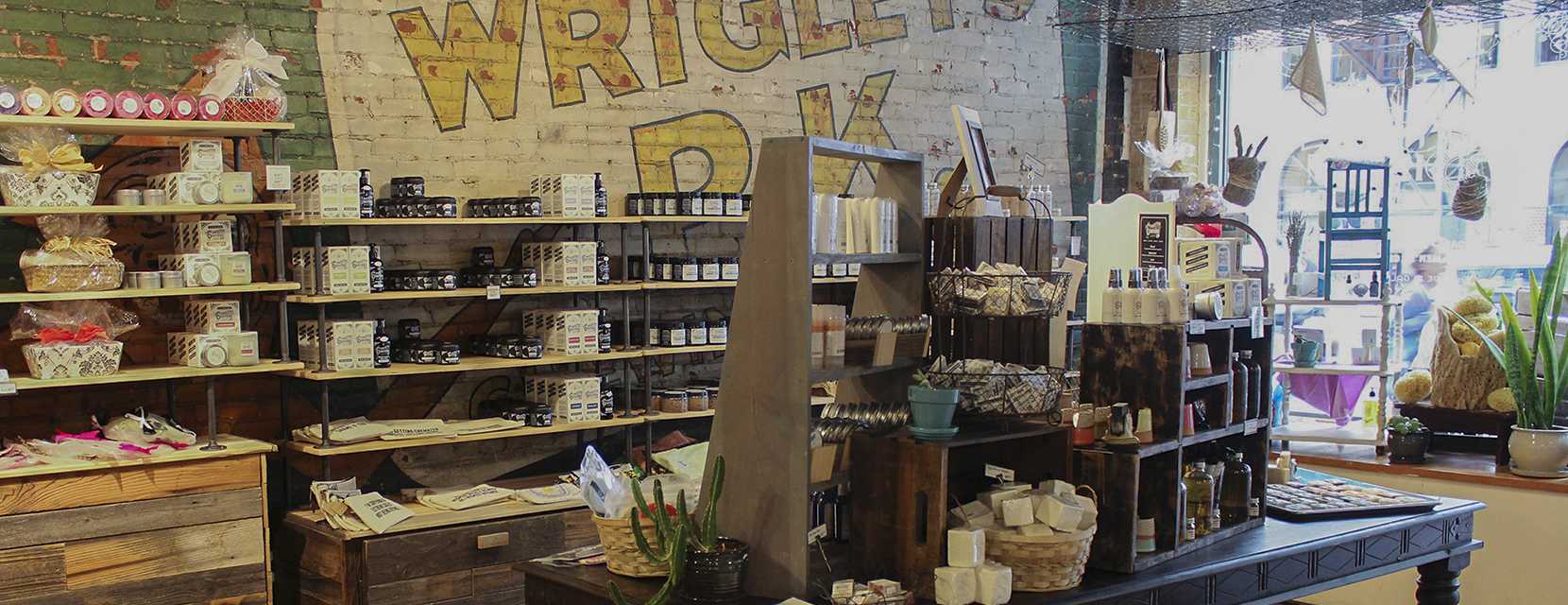
Spinster Sisters Co.
Where to Shop
Topo Designs makes backpacks, bags and apparel to carry you far and wide. Based in Denver, they also have a strong commitment to sustainability by creating durable products, adopting eco-friendly manufacturing techniques and offering a gear repair program. Vintage fashion never goes out of style. Make a fashion statement at The Vintage Label, which carries stylish products from the 1950s through the 90s. Why buy new?
How to Get Around
Take a look at this in-depth story about getting around Denver without a car, but here are a few of the basics: RTD’s light rail and bus systems connect the airport with downtown (via the airport train) and beyond, with public transportation routes all over Denver and its suburbs. E-scooters and e-bikes are scattered all over the city. eTuk hosts city tours in eco-friendly electric rickshaws (a.k.a. “tuk tuks”) that seat up to six people.
If you’re traveling around Colorado, Bustang offers bus service all over the state from its hub at Denver Union Station.