


What do actor Don Cheadle, singer Judy Collins, astronaut Jack Swigert and Ruth Handler, the inventor of the Barbie doll, have in common?
They all got their start on Colfax Avenue, famously nicknamed the “longest, wickedest street in America."
The quote was dubiously attributed to Hugh Hefner in the 1970s, and truth be told, it’s not entirely accurate. Colfax is technically only the longest commercial street in the U.S. And as for the wickedest? Well, that’s up for debate. But the moniker stuck, and it’s been part of the mythos of this evolving corridor ever since.
Quick History: Rise and Fall of a Road
Back to Top of ListLike Denver itself, the history of Colfax is rooted in the Gold Rush days of the mid-1800s. The well-trod road was a gateway to Denver and to the lands farther west. Originally called Golden Road, it was renamed in 1868 in honor of Schuyler Colfax, the speaker of the U.S. House of Representatives. It was a hub for business and tourism, with a trolley line and — later — buses, in addition to a being one of the first paved automobile roads in Denver. The U.S. Mint and Colorado State Capitol were constructed on Colfax, along with numerous theaters, churches, hotels, restaurants, jazz clubs, bars, shops and even some surprising tourist attractions, including an alligator wrestling pond and an old Western town.
As the times changed, so did Colfax. Once inhabited by the wealthy elite, the area became increasingly run down as upper- and middle-class residents moved to the suburbs after World War II. Many historic buildings were demolished, and a new focus on “car-friendly” urban planning made Colfax unappealing to pedestrians. Finally, with the construction of U.S. Highway 6 and Interstate 70, tourism dollars dried up along what was once the main thoroughfare into Denver.
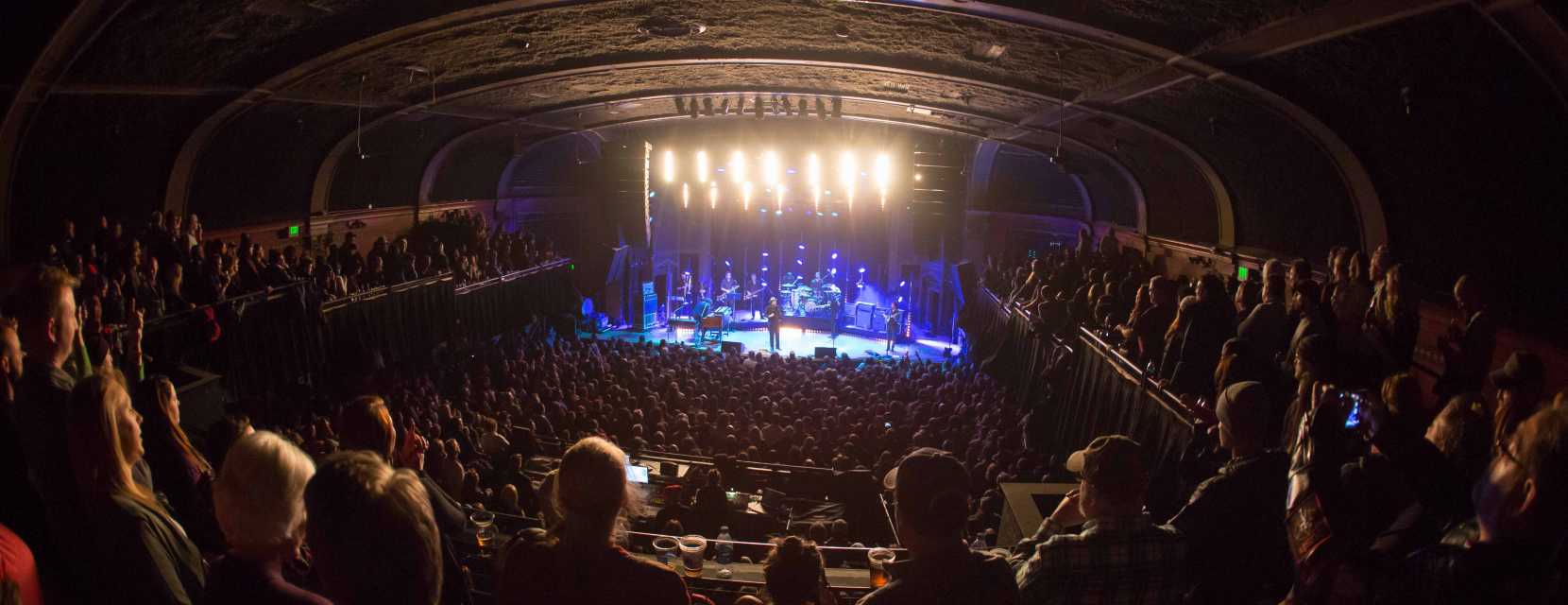
Ogden Theatre
Preserving Colfax's Past
Back to Top of ListLuckily, with the influx of city dwellers and increased interest in historic preservation, Colfax has experienced a revitalization in recent years. The neon signs that developers dismissed as eyesores just a few decades ago are now beloved — if kitschy — reminders of the “wickedest” street’s heyday, and Colfax is once again a hotspot for shopping, dining and nightlife.
Jonny Barber led the charge to preserve the historic street and its history. Barber, a local musician and author who rose to fame in the Mile High City as an Elvis impersonator known as “The Velvet Elvis,” made it his mission to educate locals and visitors about Denver’s iconic avenue. He co-founded the website ColfaxAvenue.org, a blog about all things Colfax. But a website couldn’t house all the Colfax-related items that were slowly piling up in his basement, so he started the Colfax Museum. He collected everything from street signs to matchbook covers to dinner plates. The museum moved around and eventually dodged flooding in Lakewood.
Now the artifacts have a temporary home at History Colorado Center under an exhibit titled Forty Years on the ’Fax. It covers the years 1926–1966.
How to Spend a Day on Colfax
Back to Top of ListYou could spend days exploring all that Colfax has to offer, but if you’ve only got a few hours, here are some of Barber’s recommendations for can’t-miss Colfax haunts (plus a few of our own).
Breakfast
Voodoo Doughnut: Begin your morning on Colfax with one of these spookily good doughnuts. Favorites include the Maple Bacon Bar, Portland Cream (in honor of the shop’s Oregon roots) or the namesake Voodoo Doll, which is filled with raspberry jelly and pierced through the heart with a pretzel “stake.”
Illegal Pete’s: Need something a little more substantial to start your day? This fast-casual burrito bar serves up some of the best breakfast tacos, quesadillas, bowls and burritos in town.
Culture
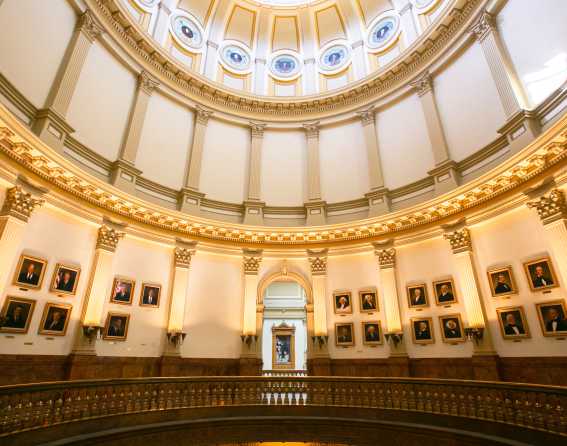
Colorado State Capitol: Even if you’re not a politico, the Colorado State Capitol is worth a visit for the architecture alone. From the yule marble floors (from Marble, Colorado), to the rose onyx wainscoting and column plinths (mined near Beulah, Colorado, and not found anywhere else on the planet), to the gleaming gold dome, this building is one of the crowning jewels of Colfax.
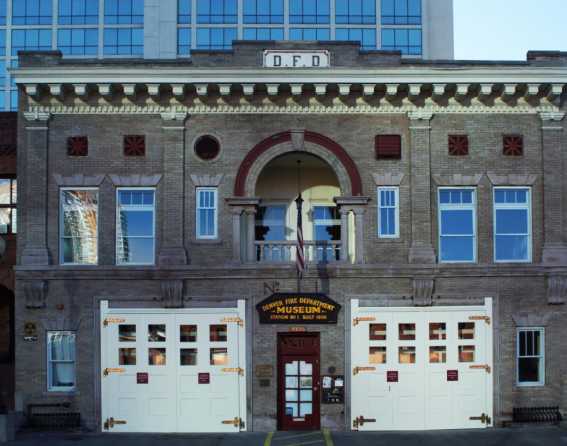
Denver Firefighters Museum: One of Denver’s first fire stations is now a museum dedicated to preserving the history of the Denver Fire Department. Little ones will love trying on equipment, sliding down the fire pole and riding on a fire truck designed just for them.
The Center on Colfax: Since its launch in 1976, The Center has become the largest LGBTQ+ community center in the Rocky Mountain region and hosts events throughout the year, such as Denver Pride, a month-long celebration in June. The celebration culminates with Denver PrideFest, a major event in downtown. From coffee groups to yoga classes, The Center offers smaller events nearly every day.
Lunch
SliceworksPizza: Refuel with a quick slice at this local pizza parlor. Order the green chili pizza for some Colorado-style flavor!
Fiction Beer Company: Bibliophiles can indulge their love of books and brews at Fiction Beer Company, where every beer is inspired by and named after works of literature.
Shopping
Tattered Cover Book Store: If Fiction Beer Company whets your appetite for reading, browse Denver’s iconic bookstore, Tattered Cover.
Twist and Shout: Celebrate Colfax’s rock ‘n’ roll history at Twist and Shout, a cavernous independent music shop with a vast collection of CDs, DVDs, Blu-rays, vinyl records and even 8-track tapes (remember those?), along with pop-culture memorabilia from seemingly every movie and TV show ever made.
Dinner
Champagne Tiger: French bistro meets American diner. Enjoy cocktails on the lush patio. It's also known for its Drag Brunch every Sunday.
Trattoria Stella: Lay down a solid base for a night out on Colfax at Trattoria Stella, the place for from-scratch Italian food. Risotto cakes, creamy burrata, shrimp pesto gnocchi and prosciutto pizza? Yes, please.
Pete’s Kitchen: Open 24/7, Pete’s Kitchen serves up American diner fare along with Greek specialties like gyros, souvlaki and baklava. It’s also home to one of Barber’s favorite nostalgic neon signs: a chef flipping pancakes.
Music and Nightlife
Bluebird Theater: Built in 1913, this intimate concert venue was named one of the best clubs in America by Rolling Stone magazine (and they should know!).
Ogden Theatre: The Ogden Theatre is listed on the National Register of Historic Places and once hosted magician Harry Houdini. Today, it’s one of Denver's premier concert venues for contemporary rock shows.
Fillmore Auditorium: The historic Fillmore Auditorium debuted as a roller skating rink, but now it packs nearly 4,000 music lovers a night as Colorado’s largest indoor venue for general admission seating. Historical sidenote: The original building once housed an electric car factory in the early 1900s. Take that Tesla!
Lost Lake Lounge: Looking for a dive bar with a little something extra? Located across the street from the Bluebird Theater, Lost Lake Lounge is a great spot to grab a post-show drink and enjoy more live music from local musicians.